Mark Carney's Election Dilemma: Opportunity Versus Historical Precedent
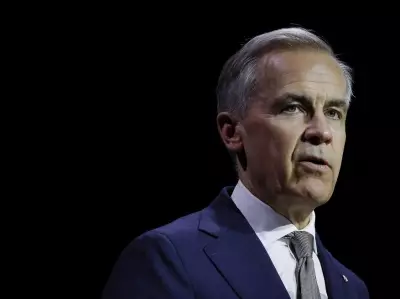
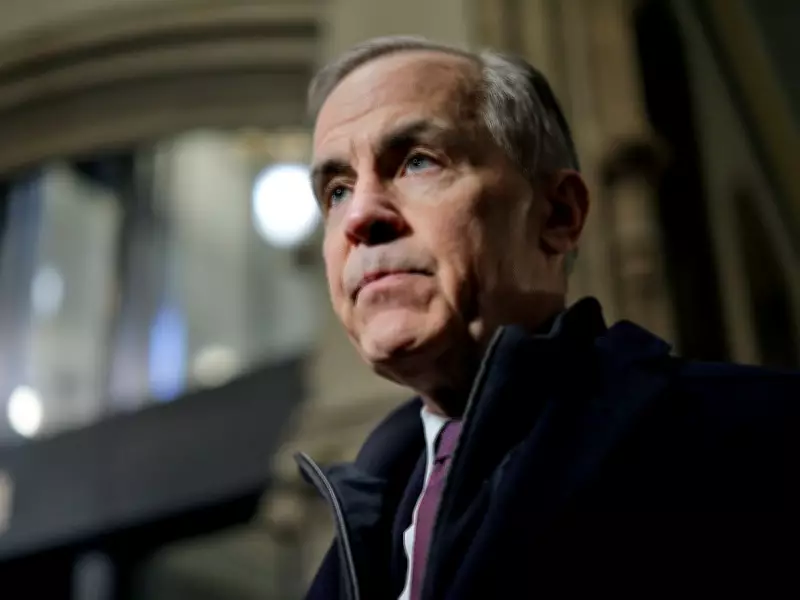
Prime Minister Mark Carney finds himself at a political crossroads as advisers and MPs within his inner circle reportedly urge him to engineer circumstances for a spring election. The temptation stems from increasingly favorable polling data that suggests a potential path to a stable majority government.
Seductive Poll Numbers Create Political Opening
Recent surveys paint an encouraging picture for the Liberal leader. A Nanos poll released Tuesday shows the Liberals commanding 41.3 percent support compared to 33.7 percent for the Conservatives. More significantly, Carney himself enjoys substantial personal popularity, with 54.3 percent of respondents viewing him as preferable for prime minister versus just 23.1 percent favoring Conservative Leader Pierre Poilievre.
These numbers create what appears to be a golden opportunity for Carney to transform his minority government into a majority administration. The political calculus seems straightforward: capitalize on current momentum to secure a stronger mandate that would provide greater legislative freedom and stability.

Historical Warnings Against Opportunistic Elections
However, Canadian political history offers cautionary tales about governments seeking early elections primarily to improve their parliamentary position. In both 1965 and 2021, Liberal governments went to voters with essentially the same proposition—that they were performing well as minority administrations but would be even more effective with majority control.
The results were strikingly similar in both instances. Voters returned the Liberal governments of Lester B. Pearson and Justin Trudeau respectively with virtually unchanged seat counts, rejecting what they perceived as unnecessary political disruption.
In 1965, Pearson entered the campaign with a commanding 20-point lead in the polls but ultimately won by just eight points. In 2021, Trudeau's declaration that the election was "the most important since 1945" was widely viewed as self-serving rhetoric that failed to convince voters of the necessity for an election during a pandemic.
The Risk of Reputational Damage
Political analysts suggest that if Carney were to force an election without articulating a compelling purpose beyond securing a majority, he risks returning to Parliament with similar seat numbers but diminished credibility. Such a move would contradict his self-portrayal as a non-career politician focused on substantive governance rather than political gamesmanship.
The country would endure the significant disruption and expense of an election campaign for what might amount to marginal political gains. Voters have demonstrated repeatedly that they are unwilling to grant politicians enhanced power simply because they desire it, particularly when the existing minority arrangement appears functional.
Alternative Paths to Majority Status
Carney has additional considerations that might counsel patience. Through the natural attrition of byelections over time, he stands a strong chance of achieving majority status without the risks associated with a general election. This gradual approach would allow him to maintain focus on his policy agenda while avoiding the perception of political opportunism.
Furthermore, Carney has established himself as particularly effective in addressing top-tier trade and security issues that concern Canadians. His international engagement—including upcoming trips to India, Australia, and Japan—reflects his commitment to trade diversification, a cornerstone of his administration's foreign policy.
Political Contrasts and Public Perception
Conservative criticism of Carney's international travel as "prancing around abroad" and "jetting off for photo-ops" contrasts with tangible results in trade diversification. While Canada's trade with the United States declined five percent in the year ending November, increases in European and Asian markets more than compensated for this slippage.

The United Kingdom has emerged as Canada's second-largest export market, a development that correlates with Carney's diplomatic efforts. The Prime Minister remains unapologetic about his travel schedule, viewing international engagement as essential for understanding global trends and positioning Canada advantageously.
The fundamental question remains: Should Carney risk his political capital and reputation on an election that might yield minimal parliamentary gains? Historical patterns suggest voters punish perceived opportunism, while the gradual path to majority through byelections offers lower-risk alternatives. The coming weeks will reveal whether Carney yields to temptation or exercises the patience that has characterized much of his political approach.