Amy Hamm: Carney's Grocery Benefit a Cynical Ploy to Buy Voter Support
Keep your bribe, prime minister. We're not selling out for the Canada Groceries and Essentials Benefit.
On February 12, 2026, Parliament passed Prime Minister Mark Carney's "Canada Groceries and Essentials Benefit," a program promising low-income Canadians a springtime cheque followed by ongoing quarterly payments. The stated goal is to help families afford essentials like steak, which has become practically a luxury product in today's economic climate.
Political Calculations Behind the Payout
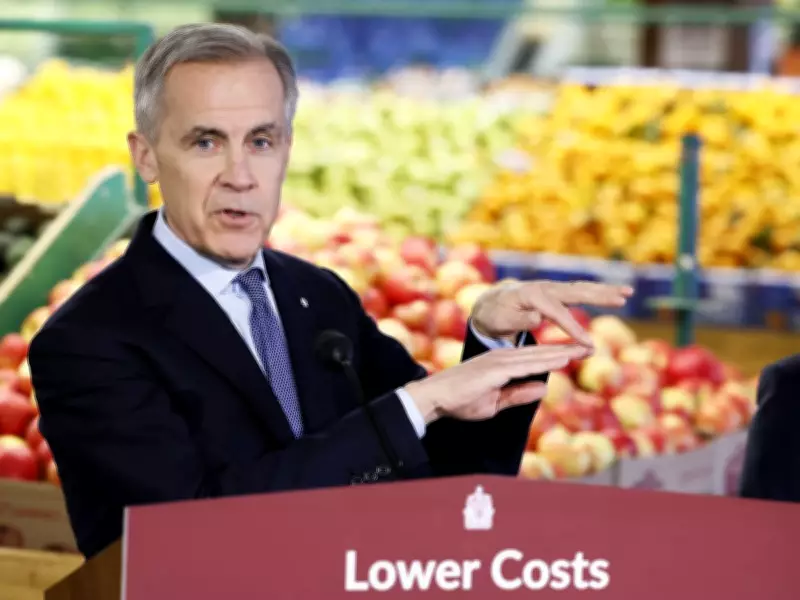
On social media platform X, Prime Minister Carney boasted that this initiative could provide up to $1,890 in 2026 for approximately 12 million Canadians. While this might sound generous on the surface, the timing and structure of these payments raise serious questions about political motivations.

Carney's new benefit will not compensate for what critics call the "Liberal Lost Decade" of economic policies, but it might successfully trick Canadians into granting him a majority government if he calls a last-minute spring election. The rapid deployment of cash suggests this could be precisely what he's planning.
Historical Precedent of Broken Promises
This scenario bears striking resemblance to events in British Columbia prior to the October 2024 election. Premier David Eby promised BC residents a $1,000 grocery rebate cheque followed by annual tax reductions for household relief. After winning the election, he reneged on this commitment, blaming tariffs and U.S. President Donald Trump for making the promise impossible to fulfill.
Amusingly, the now-broken promise remains visible on the NDP website, stating: "It's really tough out there for many families — inflation and interest rates have driven up the cost of daily essentials. People need help now so they can get ahead."
Eby's abandoned pledge sounds remarkably similar to Carney's new promise, raising concerns about whether federal voters might face similar disappointment after the next election.
Transparent Political Pandering
The government's background document for the payout explains: "The global landscape is rapidly changing, leaving economies, businesses, and workers under a cloud of uncertainty. In response, Canada's new government is focused on what we can control: building a stronger economy to make life more affordable for Canadians. The biggest payoffs in our plan will take time. However, we recognise that many Canadians are feeling the pressures of everyday expenses and need relief right now."
This represents a sad state of affairs when politicians responsible for dismal economic conditions successfully hoodwink voters with temporary cash payments during times of great need. Few political moves are as transparently and ingratiatingly pandering as this one.
Economic Desperation Creates Vulnerability
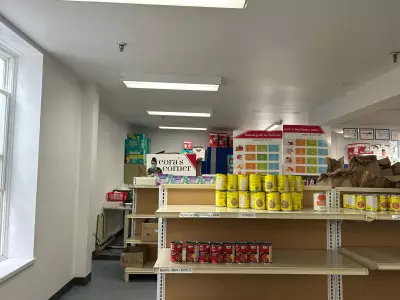
It makes sense that Canadians might be susceptible to this type of political palm-greasing. Too many citizens are suffering economically, with Food Banks Canada reporting record-breaking client numbers. The organization documented 2.2 million visits in a single month during 2025 — the highest figure ever recorded. Immediate financial relief for those in need is understandably tempting.
Questionable Fiscal Responsibility
Meanwhile, Carney's finance department continues to emphasize that "The biggest payoffs in our plan will take time." This statement should infuriate all Canadians who have watched the Liberals remain in power for more than a decade. During this period, critics argue they have destroyed any notion of fiscal responsibility in Canada while normalizing enormous deficit spending.
Projections indicate Canadians can expect to pay $76.1 billion in annual debt payments by 2029-30. Carney — whose poor reputation at the Bank of England preceded what critics call his abysmal new budget — shows no signs of differing from Justin Trudeau regarding fiscal policy. The grocery benefit appears less like genuine economic relief and more like a calculated political maneuver designed to secure votes rather than address systemic economic problems.