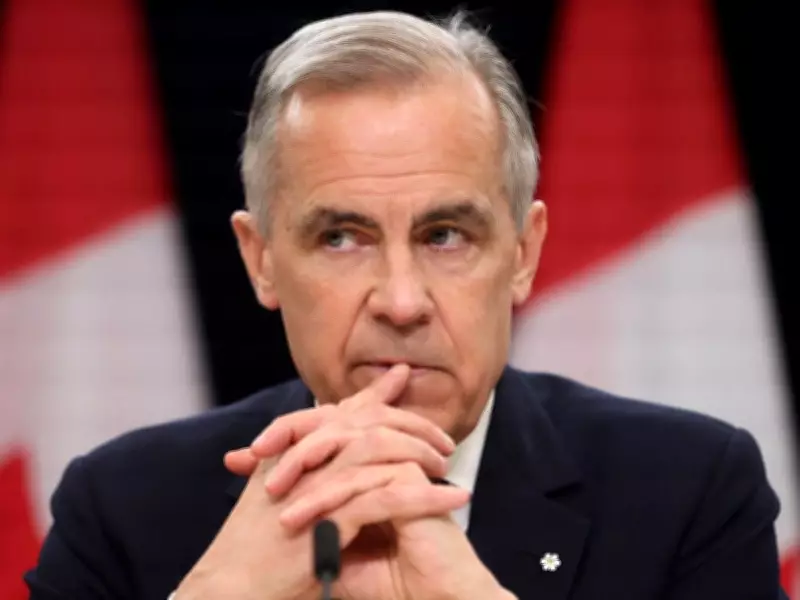
Carney's Risky Pursuit of a Majority Government
Prime Minister Mark Carney's strategic maneuvers to secure a parliamentary majority are under intense scrutiny, with critics warning that his reliance on floor-crossing MPs could ignite constitutional crises. Political analyst John Ivison argues that if the legitimacy of Carney's government is contested, a general election may become essential to resolve the uncertainty. This power play involves enticing opposition members to switch parties, a tactic that risks destabilizing Canada's democratic foundations and public trust.
Gladu's Support for Automatic Byelections
Marilyn Gladu, the Conservative-turned-Liberal MP, has publicly endorsed a petition calling for automatic byelections when politicians cross the floor. Earlier this year, she emphasized to local media that constituents deserve a chance to reassess their representation if an MP changes party allegiance. This stance highlights the ongoing debate over accountability in Canadian politics, as Gladu's own recent switch from the Conservatives to the Liberals adds a layer of irony to her advocacy.
Folly of Canadian EU Membership
A recent poll by Spark Advocacy reveals that 57% of Canadians are open to exploring EU membership, but columnist Tristin Hopper outlines why this would be a misguided move. Key drawbacks include granting 450 million Europeans unrestricted visa-free access to live and work in Canada, alongside billions in annual EU payments without reciprocal program benefits. This analysis underscores the economic and social impracticalities of such a union for Canada.

Other Notable Stories
Toronto Man Granted Absolute Discharge: Michael Colatosti, found not criminally responsible six years ago for killing his grandmother and a caregiver, has received an absolute discharge from the Ontario Review Board. Despite recommendations for continued monitoring, the board ruled he no longer poses a significant public threat, citing his major mental illness at the time of the crimes.
Spanking Practices in Canada: A Canadian study finds that spanking remains legal and prevalent, with 15% of surveyed adults believing it is necessary for child-rearing. Over half of respondents reported being spanked at least three times in childhood, and this history correlates with higher odds of spanking their own children, raising concerns about intergenerational cycles of discipline.