U.S. Appeals Court Permits Continuation of Trump-Era White House Ballroom Construction
In a significant legal development, a United States appeals court has issued a ruling allowing construction work on the White House ballroom, a project initiated during the administration of former President Donald Trump, to proceed without immediate interruption. The decision, handed down on April 18, 2026, effectively rejects calls for an emergency halt to the controversial renovation, which has been the subject of intense scrutiny and legal battles since its inception.
Court's Ruling and Its Implications
The appellate court's ruling means that construction activities at the historic executive residence in Washington, D.C., can continue for the time being, pending further judicial review. This decision comes after lower court challenges sought to stop the project over concerns ranging from historical preservation to procedural irregularities. The court emphasized that the plaintiffs failed to demonstrate irreparable harm that would justify an immediate injunction, thus permitting work to advance while the broader legal issues are resolved.
Observers note that this ruling underscores the complex interplay between presidential authority, property rights, and public interest in federal projects. The ballroom, envisioned as a grand entertainment space, has sparked debates about the appropriateness of such modifications to the White House, a symbol of American democracy. Proponents argue it enhances the building's functionality, while critics decry it as an unnecessary extravagance that could compromise its historical integrity.

Background and Ongoing Controversy
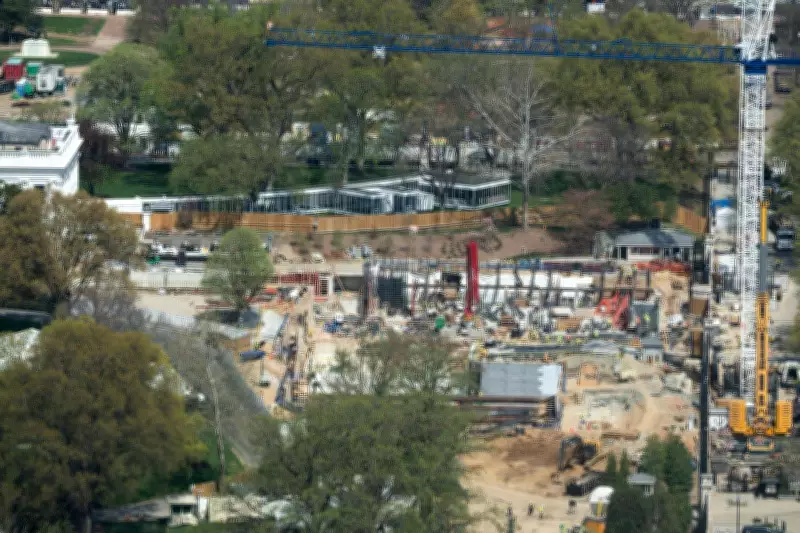
Construction on the ballroom began earlier in 2026, with video footage from April 1 showing ongoing work at the site. The project has faced multiple legal hurdles, including lawsuits from advocacy groups and political opponents who question its legality and funding sources. The appeals court's decision to allow continuation does not settle these underlying disputes but provides a temporary reprieve for the construction team.
This development occurs amidst a broader national conversation about the stewardship of federal properties and the legacy of presidential initiatives. Legal experts suggest that the final outcome could set precedents for how similar projects are handled in the future, particularly those initiated by outgoing administrations.
What Happens Next?
With the appeals court's ruling, the ballroom construction will proceed under close watch. Key next steps include:
- Continued monitoring by regulatory agencies to ensure compliance with building codes and historical guidelines.
- Ongoing legal proceedings that will ultimately determine the project's fate, potentially reaching higher courts.
- Increased public and media scrutiny as work advances, with potential impacts on political discourse surrounding federal expenditures.
The situation remains fluid, and stakeholders on all sides are preparing for further legal battles. As the project moves forward, it serves as a reminder of the enduring controversies that can surround high-profile government undertakings, especially those tied to polarizing political figures.