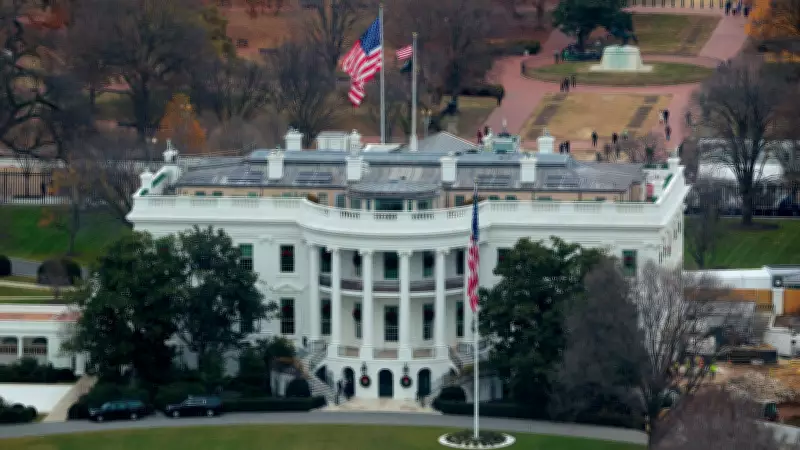
Federal Appeals Court Greenlights Trump's White House Ballroom Construction
A federal appeals court has intervened to allow President Donald Trump to proceed with the construction of a $400 million ballroom at the White House, overturning a lower court's block on above-ground work. This decision marks a significant development in the ongoing legal battle over the controversial project.
Court Ruling and Upcoming Hearing
Late Friday, a three-judge panel of the U.S. Court of Appeals for the District of Columbia Circuit issued a temporary hold on an order by U.S. District Judge Richard Leon, who had halted part of the construction. The panel has scheduled a hearing for June 5 to review the case in detail, indicating that the legal proceedings are far from over.
In his ruling on Thursday, Judge Leon continued to block above-ground construction of the 90,000-square-foot (8,400-square-meter) ballroom addition. However, he permitted below-ground work to continue on a bunker and other national security facilities at the site, highlighting the complex nature of the project's components.

Background and Legal Challenges
President Trump initiated the demolition of the East Wing last fall to make way for the massive ballroom. The National Trust for Historic Preservation subsequently filed a lawsuit to block the construction, arguing that Trump had overstepped his authority by proceeding without obtaining necessary approvals from key federal agencies and Congress.
Judge Leon ruled in favor of the nonprofit group at the end of March but placed his decision on hold briefly, allowing underground work to continue. The Trump administration quickly appealed this ruling, leading to the recent appeals court intervention.
Trump's Justification and Funding
Trump has defended the ballroom as a long-overdue addition to the White House complex, asserting his right to build it. He claims that the cost will be covered by donations from wealthy individuals and corporations, though taxpayer dollars will fund the security aspects of the project. This funding arrangement has sparked debate over the use of public and private resources in federal property enhancements.
The legal and political implications of this case continue to unfold, with the June 5 hearing poised to be a critical next step in determining the future of the White House ballroom project.