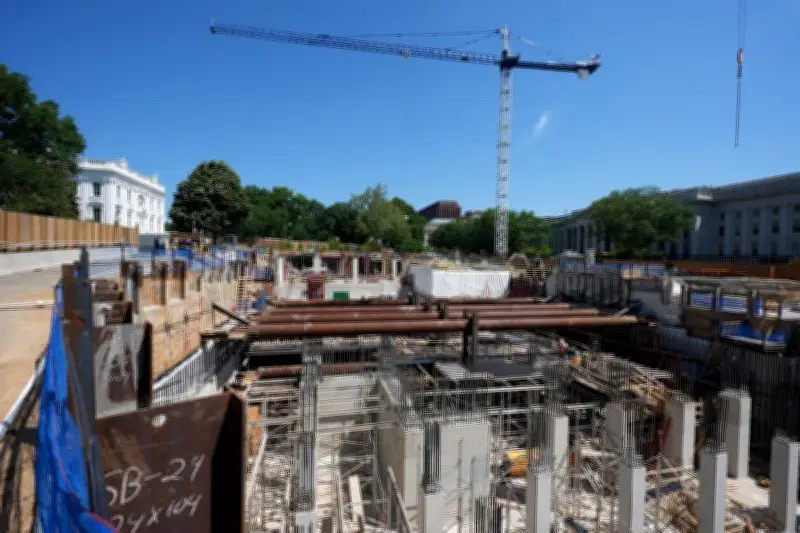
Legal Challenge to Trump's White House Ballroom Heard in Court
A U.S. appeals court convened on Wednesday to hear arguments in a lawsuit challenging the construction of a ballroom at the White House, a project initiated by former President Donald Trump. The case, brought by a coalition of historic preservation groups, alleges that the construction violates federal laws protecting the historical integrity of the White House and its grounds.
The ballroom, which is being built in the East Wing, has been a subject of controversy since its announcement in 2025. Opponents argue that the structure alters the character of the iconic building and sets a dangerous precedent for future modifications. The White House, a National Historic Landmark, is subject to strict preservation guidelines under the National Historic Preservation Act.
During the hearing, attorneys for the plaintiffs emphasized that the project lacked proper review and approval from the Advisory Council on Historic Preservation. They claimed that the National Park Service, which oversees the White House, failed to conduct a required environmental impact assessment before construction began.

Lawyers representing the Trump administration countered that the ballroom falls under the category of necessary security and operational upgrades, which are exempt from certain preservation requirements. They also noted that the project had been approved by the White House Historical Association, though critics question the association's independence.
The three-judge panel from the U.S. Court of Appeals for the District of Columbia Circuit appeared divided during oral arguments. Judge Sarah Thompson questioned whether the ballroom truly impairs the historic character of the White House, while Judge Michael Reyes expressed concern about the lack of transparency in the approval process.
Construction of the ballroom, which began in early 2026, has already caused disruptions to White House tours and operations. The project is estimated to cost $18 million and is expected to be completed by late 2027. The ballroom is intended to host state dinners and official events, but critics argue that existing spaces such as the State Dining Room and the East Room are sufficient.
The case has drawn attention from historians and preservationists nationwide. The National Trust for Historic Preservation filed an amicus brief in support of the plaintiffs, arguing that the White House must be preserved for future generations as a symbol of American democracy.
A decision from the appeals court is expected within the next several weeks. If the challenge succeeds, construction could be halted pending further review. The case may ultimately reach the Supreme Court, given the constitutional questions surrounding executive authority and historic preservation.