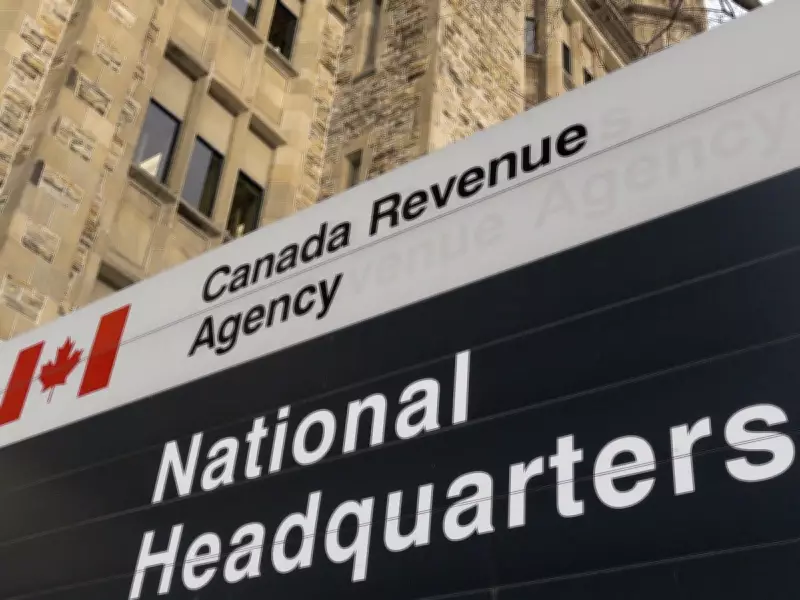
The Canada Revenue Agency (CRA) is in the process of refunding approximately $647 million that was collected as a result of the now-defunct digital services tax. The federal Liberals repealed the tax last summer in an effort to maintain trade talks, following threats from U.S. President Donald Trump to cut off Canada.
Refund Progress and Details
According to CRA media relations officer Nina Ioussoupova, before the government halted collection of the digital services tax on June 30, 2025, the agency had collected around $647 million. Of this amount, about $358 million was used to cover outstanding tax liabilities of the same taxpayers. By late April, approximately $154 million had been refunded to taxpayers, including close to $4 million in interest. The CRA had planned to complete all refunds by the end of April.
Administrative Costs and Projections
Over the fiscal years from 2021–22 to 2025–26, the CRA was allocated $30 million to administer the digital services tax. This funding covered implementation, systems and form development, as well as related accommodation and information technology costs. In 2023, the Parliamentary Budget Office had projected that the digital services tax would generate $7.2 billion in federal revenue over five years.

Legislative Background
The legislation to repeal the tax was included in Ottawa's fall budget bill, which received royal assent on March 26. This legislative action was necessary to enable the CRA to issue refunds. When active, the digital services tax imposed an annual three per cent levy on digital services revenue generated within Canada by large technology companies, primarily those based in the United States.
International Reactions
The U.S. government had strongly opposed the digital services tax, viewing it as unfairly targeting American tech firms. However, last year, the U.S. stepped back from threatened tax hikes on companies from countries like Canada that applied taxes deemed discriminatory against American businesses. This retreat followed an announcement by G7 finance ministers that the U.S. would be excluded from the OECD-led global minimum tax regime, which aims to ensure multinational enterprises pay a minimum tax rate in every jurisdiction where they operate.