Cuba's communist government has announced the most radical free-market reforms since Fidel Castro took power in 1959, but the United States and Cuban exiles remain skeptical about the changes.
Reforms Target Overseas Cubans
The 176 changes unveiled on Thursday directly target overseas Cubans, inviting them to open companies on the island, buy stakes in state enterprises, and develop tourist infrastructure, among other opportunities.
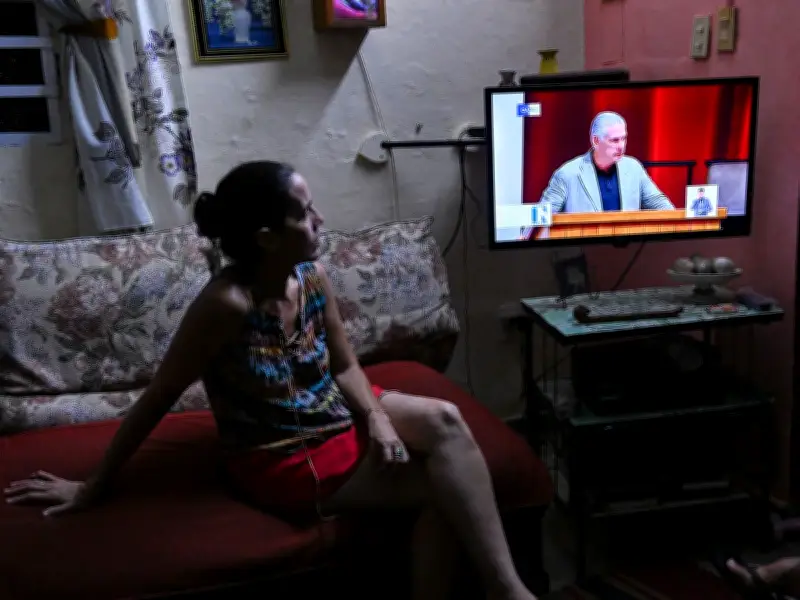
The announcement came as Cuba struggles with a U.S. blockade that has throttled its power supply, leaving many residents in the dark during the televised address.

Mixed Reactions on the Island
Soledad, a resident of Havana's Jesus Maria neighborhood, said she "heard nothing" about the reforms as her area endured yet another 24-hour-plus power cut — a common occurrence since President Donald Trump cut off Cuba's fuel imports in January.
But Carlos Dibus, a Cuban who left for Norway 19 years ago, was listening intently. "If implemented properly, it could work wonderfully! It's not that we'd switch to capitalism, but rather a more open form of socialism, like China in its time," he said while having breakfast in Havana's old town.
Dibus, a logistics expert who misses his mother's home cooking, said he is planning to return to Cuba in a few years. "With all these openings that are happening now, maybe I'll start a business," the 43-year-old mused.
Skepticism from Miami and Washington
Across the Straits of Florida, Miami Cubans reacted cautiously, describing the reforms as too little, too late. A U.S. State Department spokesman dismissed the transformation as "superficial smoke signals" and said Trump would continue to apply pressure to "drive much more substantial economic and political reforms that would make Cuba investable."
Carlos Saladrigas, president of a human resources company and the Cuba Study Group think tank, said: "If they are looking for cosmetic or temporary changes to satisfy Washington, that will fall short. As long as there is no political certainty for Cuba, it will be very difficult to attract foreign capital."
Emilio Morales, president of the Havana Consulting Group, dismissed the reforms as a desperate bid by the Cuban government to remain in power. "The Cuban exile community isn't going to invest in Cuba if there isn't political change. These people have been deceiving everyone for 67 years!"
Hunger for Change on the Island
On the island itself, many residents are hungry for any change that could ease acute shortages of food, water, fuel, and medicine. "Something has to change because we can't keep living like this, we're dying of hunger," an elderly woman in Havana told AFP, declining to give her name.
Amarilys Veloz, a 62-year-old owner of a tourist apartment in Havana's old town, whose customers have dwindled since the blockade began, welcomed the opportunity "to open up to the world."