The funeral service for former Vice President Dick Cheney brought together political figures from across the spectrum on Thursday, November 20, 2025, in a rare display of bipartisan unity at Washington National Cathedral.
Bipartisan Gathering Honors Former Vice President
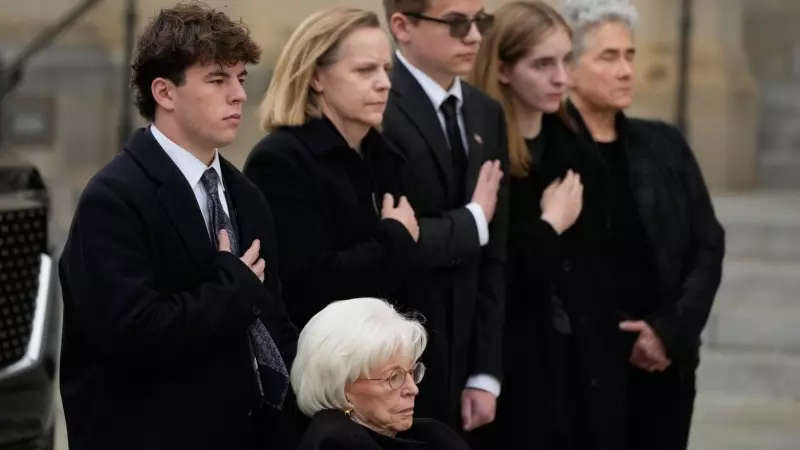
Lynne Cheney and family members presided over the arrival of the casket containing the remains of the former U.S. vice-president at the historic cathedral. The ceremony attracted numerous political dignitaries from both major parties, reflecting Cheney's decades of service in Washington.
The event marked a significant moment of political reconciliation as Republicans and Democrats set aside their differences to honor the former vice president, who served under President George W. Bush from 2001 to 2009.

Notable Absence Sparks Discussion
Among the notable developments surrounding the funeral arrangements was the confirmed absence of former President Donald Trump from the guest list. Multiple sources confirmed that Trump did not receive an invitation to the service, highlighting the complex political relationships that have defined recent Republican politics.
The Cheney family's decision regarding invitations reflected the ongoing divisions within the Republican Party, particularly between establishment figures and the Trump-aligned wing of the party.
Ceremony Details and Arrangements
The funeral proceedings began with the arrival ceremony at the Washington National Cathedral, where the casket was received by family members and dignitaries. The service was scheduled for Thursday, November 20, 2025, with the ceremony beginning in the morning hours.
Security arrangements were comprehensive given the high-profile nature of the event and the attendance of current and former government officials. The cathedral, which has hosted numerous state funerals throughout American history, provided a fitting backdrop for the solemn occasion.
The bipartisan nature of the tributes underscored Cheney's complicated legacy in American politics, where he was both praised for his national security stance following the September 11 attacks and criticized for his role in the Iraq War.
As political figures gathered to pay their respects, the absence of one prominent Republican figure served as a reminder of the ongoing realignment within American conservative politics and the enduring impact of Cheney's controversial vice presidency.