Navigating Early Retirement vs. Layoffs: A Former Executive's Guide for Public Servants
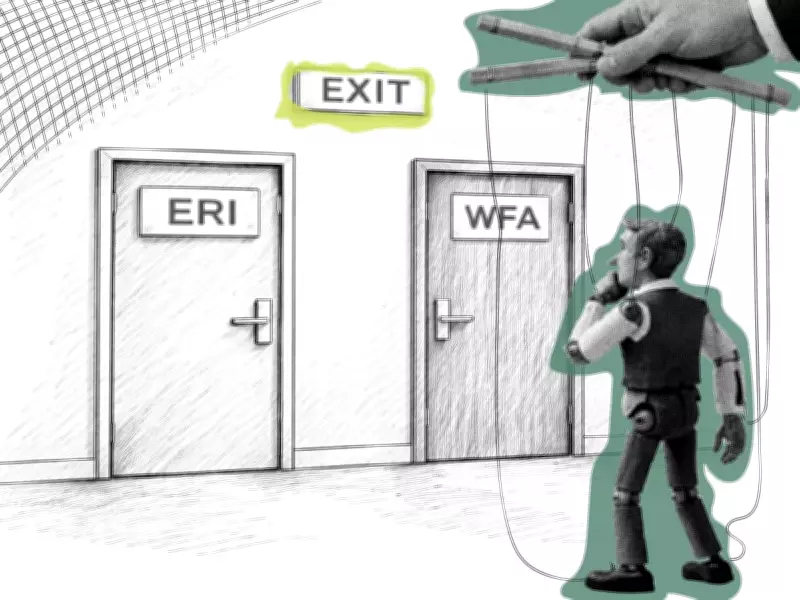
As thousands of federal public servants receive workforce adjustment notices, many face a crucial decision: should they apply for early retirement incentives or accept transition support through layoff processes? Scott Taymun, a former federal executive with over three decades of experience across seven departments, provides essential guidance for those weighing their options.
The Personal Nature of the Decision
This choice represents one of the most significant career crossroads public servants will encounter, requiring careful consideration of individual circumstances. Taymun emphasizes that no one can make this decision for another person, as it depends entirely on personal values, financial situations, priorities, and readiness for life after public service.
The former executive acknowledges that while he cannot dictate what's best for any individual, he can offer important factors to consider when evaluating whether early retirement incentives or workforce adjustment measures better align with one's personal and professional goals.

Understanding Union Opposition
A critical starting point involves comprehending why union leadership opposes the early retirement incentive program. According to Taymun, the fundamental disagreement centers on funding sources. Federal unions object to the government's decision to finance these incentives through the federal pension fund surplus.
As PIPSC president Sean O'Reilly stated in a recent interview, "you're laying somebody off and using the money they contributed for years to pay for it." Taymun views this approach as using pension fund savings of thousands of public servants to address fiscal pressures resulting from what he describes as excessive public service growth during the previous administration.
Financial Considerations Take Priority
Perhaps the most practical aspect involves conducting thorough financial analysis. Taymun strongly recommends consulting with certified financial planners to compare the net benefits of transition support measures versus early retirement incentives. Understanding which option provides superior financial outcomes based on individual circumstances represents an essential step in the decision-making process.
Regardless of personal feelings about funding sources, Taymun advises public servants to ground their decisions in concrete financial realities and personal interests. This financial assessment should form the foundation upon which other considerations build.
Life After Public Service
The transition to retirement presents significant psychological and practical challenges for many individuals. Taymun encourages public servants to seriously contemplate what they will do with their additional time and how they will structure their post-career lives.
Drawing from his own experience beginning his transition in 2022, Taymun describes deliberately seeking "light touch" opportunities involving different types of work and activities to gradually ease out of public service. This approach allowed for a more controlled and manageable shift into retirement.
Broader Implications and Manager Approval
From a wider perspective, early retirement incentives serve as important tools for harvesting embedded attrition across the system. Each decision to accept these incentives potentially reduces involuntary departures and minimizes the impact of workforce adjustment on early and mid-career public servants.
Regarding manager approval for early retirement applications, several criteria may influence decisions. These include:
- Operational capacity and requirements of specific program or service areas
- Employment equity, diversity, and workforce composition considerations
- Skill set pressures across organizations, particularly for high-demand positions
The Final Decision Rests with Individuals
Ultimately, Taymun concludes that this choice belongs entirely to each public servant. While difficult, having options represents a preferable situation compared to what many younger public servants may face in coming months. The former executive encourages thorough consideration of all factors before making this life-altering decision.

Scott Taymun brings substantial credibility to this discussion, having served as chief of staff to the clerk of the Privy Council and helped design public sector management reforms following the sponsorship scandal. His retirement from public service in October 2023 provides recent, relevant experience with the transition process he describes.