Former Counterterrorism Director Alleges Trump Administration Silenced Dissent on Iran Airstrikes
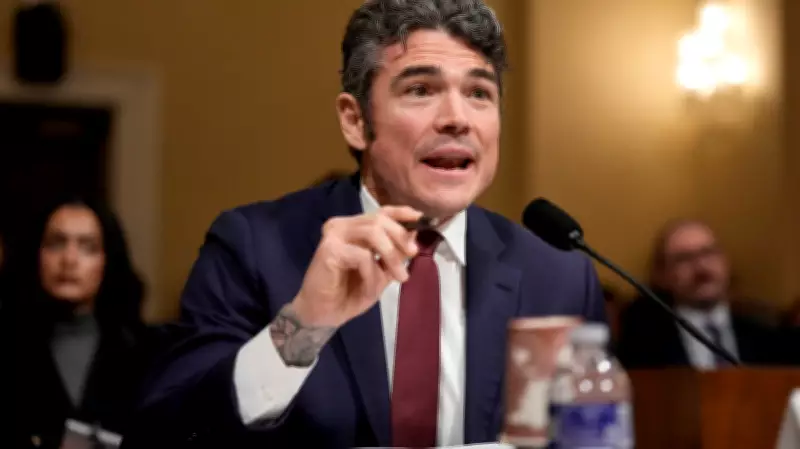
In a revealing interview, Joe Kent, the former director of the National Counterterrorism Center who resigned this week, asserted that he and other senior officials were prevented from expressing their reservations about the recent airstrikes on Iran to President Donald Trump. Speaking on Tucker Carlson's program, Kent claimed that the president relied on a narrow circle of advisers, with Israel exerting significant pressure despite no concrete evidence of an imminent threat from Iran.
Claims of Restricted Access and Lack of Debate
Kent detailed that key decision-makers were not permitted to present their opinions to Trump, leading to what he described as an absence of robust discussion within the administration. "A good deal of key decision makers were not allowed to come and express their opinion to the president," Kent told Carlson. "There wasn't a robust debate." His comments provide an insider perspective on Trump's decision to authorize strikes on February 28, highlighting potential divisions within the political base and internal concerns about the military action.
Intelligence Disputes and Israeli Influence
As head of the agency responsible for analyzing terrorist threats, Kent emphasized that no intelligence indicated Iran was developing nuclear weapons. He argued that Israeli officials, along with U.S. media commentators, successfully framed Iran as a threat, compelling American action. "The Israelis drove the decision to take this action," Kent stated, referencing statements from Secretary of State Marco Rubio and House Speaker Mike Johnson that suggested Israel's plans influenced U.S. moves.

Kent further alleged that Israeli Prime Minister Benjamin Netanyahu and other officials personally lobbied Trump with unverified information, contradicting U.S. intelligence channels. "When we would hear what they were saying, it didn't reflect intelligence channels," he noted. These assertions have sparked criticism from Jewish groups and others who accuse Kent of promoting antisemitic tropes by referencing an "Israeli lobby."
Trump's Response and Kent's Background
President Trump has dismissed Kent's criticisms, labeling him as "weak on security" and asserting that Iran posed a "tremendous threat." In a statement, Trump remarked, "They're not smart people, or they're not savvy people. Iran was a tremendous threat." The White House has not yet addressed Kent's specific allegations from the Carlson interview.
Kent, a 45-year-old former Green Beret with 11 combat deployments and a CIA background, has faced personal tragedy, losing his wife to a suicide bomber in Syria in 2019. He explained that his resignation stemmed from a belief that his concerns were being ignored. "I know this path that we're on, it doesn't work," Kent said. "I can't be a part of this in good conscience."
Oversight and Political Implications
Director of National Intelligence Tulsi Gabbard, who oversaw Kent's work, stated that the decision on Iran's threat level rested solely with Trump. Gabbard, a veteran and former congresswoman from Hawaii, has previously criticized military strikes in Iran but has not commented on the current situation. Kent declined to identify who blocked his access to the president when questioned by Carlson.
This controversy underscores the broader risks of the Iran war potentially fracturing Trump's support base and raises questions about the decision-making processes within the administration. Kent's decision to voice his concerns on Carlson's show, which has also faced accusations of antisemitic rhetoric, adds another layer to the ongoing debate over U.S. foreign policy and internal governance.