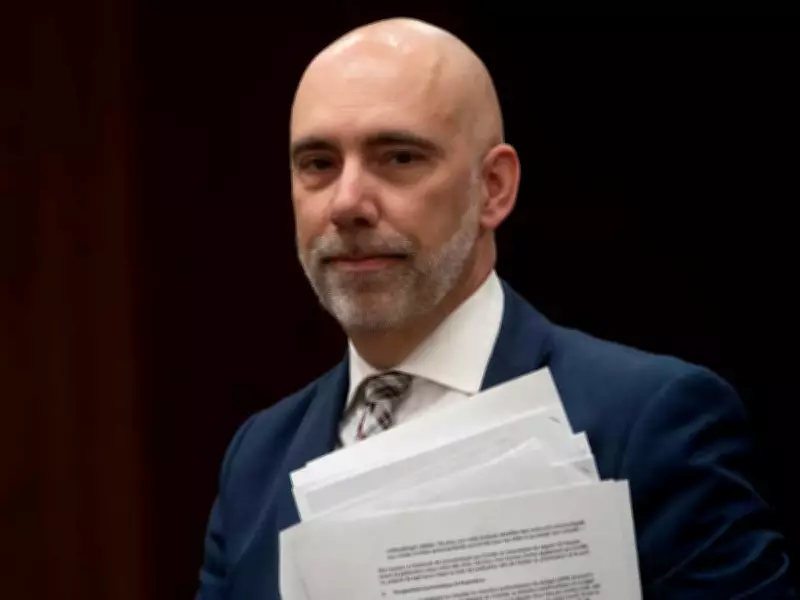
Within the extensive federal government bureaucracy, only two independent offices exist that consistently provide Canadian parliamentarians and taxpayers with objective, non-partisan evaluations of government expenditures. One is the auditor general. The other is the parliamentary budget officer, and according to former PBO Yves Giroux, Prime Minister Mark Carney is deliberately "silencing" this crucial watchdog by refusing to appoint a permanent replacement.
An Extraordinary Accusation from a Former Public Servant
In a remarkably candid interview with The Hill Times, Giroux employed language rarely heard from a public servant. He asserted that the Liberal government's failure to name a new parliamentary budget officer is "in effect silencing an agent of Parliament and preventing the office from fulfilling its mandate." Giroux elaborated, stating, "It's clear to me that it is a conscious decision to have the PBO quiet, or to ensure the institution is quiet for some time."
Conservative MP and Treasury Board critic Stephanie Kusie concurred, suggesting the delay appears intentional. This concern is amplified by the government's recent tabling of its 2026-27 main estimates, which call for over $500 billion in spending.

A Watchdog Office Effectively Shuttered
The permanent PBO position has remained unfilled since Giroux's term expired in September 2025. The interim appointment of Jason Jacques concluded its six-month term on March 2. Giroux explained the severe consequences of this vacancy: "The office cannot answer MPs' or committees' requests and they cannot publish anything. So, de facto, it means that, for parliamentarians, the office is shut down and it means the same thing for the media and Canadians, because the longer the position remains empty, the longer the PBO or the office cannot publish anything."
The Critical Role of the Federal Budget Watchdog
Giroux's tenure demonstrated the office's indispensable value. He provided critical analysis on numerous Liberal policies, often facing government backlash for his independent assessments.
- His reports on the now-abandoned consumer carbon tax revealed that while most households would receive more in rebates than they paid fiscally, the tax's negative economic impact meant most would ultimately be worse off.
- He scrutinized the significant growth in the size and cost of the public service under the Liberals.
- His office highlighted the government's abandonment of its own fiscal guardrails and issues with transparency in public financial reporting.
- He analyzed the financial implications of major subsidy programs, including billions directed to Canada's electric vehicle sector.
Giroux was not popular with the Liberal government, nor was he intended to be. His interim successor, Jacques, also drew attention by initially describing federal finances as "shocking," "alarming," and "unsustainable," terms he later moderated, though many taxpayers found them resonant.
The Need for a Watchdog, Not a Lapdog
The essential function of the parliamentary budget officer is to serve as a vigilant watchdog over government spending, not a compliant lapdog. The Carney government, which is responsible for appointing the next PBO in consultation with opposition parties, told The Hill Times that information regarding the appointment would be announced "in due course." However, with the office incapacitated for months and critical budget oversight absent during a period of massive proposed expenditures, observers argue the government has been taking its time at the expense of parliamentary accountability and taxpayer transparency.