Former South Korean President Yoon Suk Yeol Sentenced to Life for Imposing Martial Law
In a landmark ruling that has sent shockwaves through South Korea's political landscape, former President Yoon Suk Yeol has been handed a life sentence for his role in imposing martial law during his time in office. The verdict, delivered by a Seoul court, underscores the severe legal consequences for actions deemed to undermine democratic principles and constitutional order.
Details of the Case and Legal Proceedings
The case against Yoon Suk Yeol centered on his decision to declare martial law, a move that prosecutors argued was an abuse of power and a violation of South Korea's legal framework. The court found him guilty of overstepping presidential authority, leading to widespread unrest and allegations of human rights abuses during the period of military control. This sentencing follows extensive hearings and a review of evidence, including testimony from witnesses and experts on constitutional law.
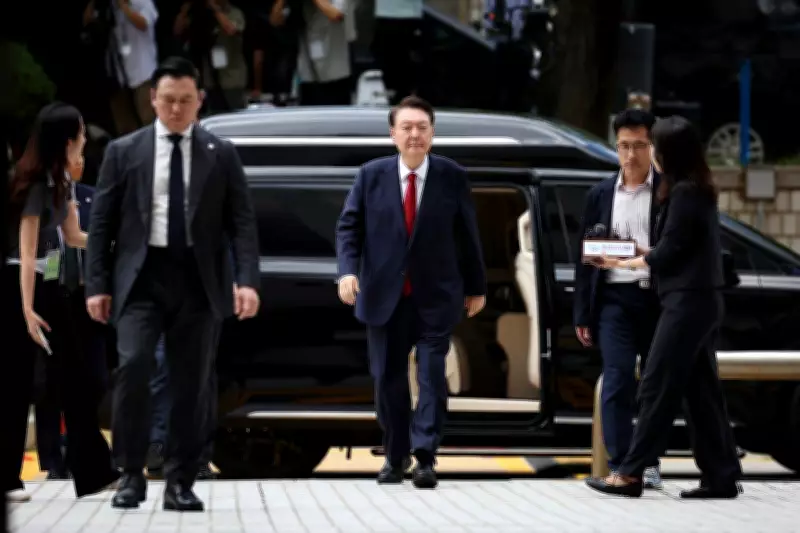
Yoon Suk Yeol, who served as president from 2022 to 2025, was arrested in July 2025 after special prosecutors requested a warrant, citing concerns over potential evidence tampering and flight risk. His trial has been closely watched both domestically and internationally, highlighting South Korea's ongoing efforts to address historical and contemporary issues of governance and accountability.

Historical Context and Political Implications
This case is not isolated in South Korean history, as the nation has grappled with similar incidents involving former leaders and military interventions. The imposition of martial law has often been a contentious issue, linked to periods of political turmoil and public dissent. Yoon's sentencing is seen as a reaffirmation of the rule of law and a warning to future leaders about the limits of executive power.
Public reaction has been mixed, with some citizens applauding the court's decision as a step toward justice, while others express concerns over political polarization and the potential for retribution in the judicial system. Analysts note that this ruling could influence upcoming elections and policy debates, particularly around national security and civil liberties.
Broader Impact on South Korean Society
The life sentence for Yoon Suk Yeol is expected to have lasting effects on South Korea's political culture, encouraging greater scrutiny of presidential actions and fostering discussions on democratic safeguards. It also raises questions about the rehabilitation of former officials and the mechanisms for holding leaders accountable post-tenure.
As South Korea continues to navigate its complex political environment, this case serves as a pivotal moment in the country's journey toward consolidating democratic norms and ensuring that no individual is above the law. The international community is likely to monitor further developments, as they may offer insights into the resilience of democratic institutions in the face of authoritarian tendencies.