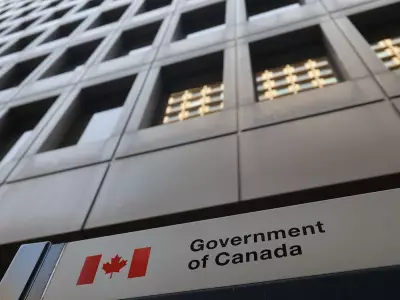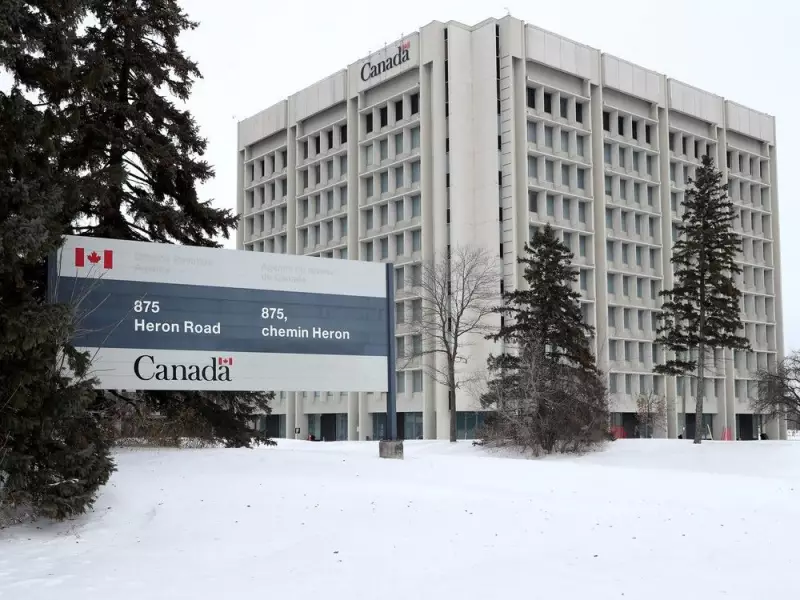
The state of Canada's federally owned real estate portfolio has been on a steady decline for half a decade, with the latest government data showing a continued slide in overall conditions. This trend raises concerns as public servants face potential full returns to office spaces, some of which are in dire need of repair.
A Five-Year Decline in Building Health
According to annual reports from Public Services and Procurement Canada (PSPC), the percentage of Crown-owned buildings rated in "fair or better" condition has been slipping since the 2020-2021 fiscal year. The situation reached a new low in the most recent reporting period, with only about 53 per cent of buildings meeting that standard. This figure sits just below the department's own internal target of 54 per cent, marking a persistent negative trend that union leaders have flagged repeatedly.
The government's heritage assets, which include iconic structures like the Supreme Court of Canada building, are faring even worse. Data indicates only approximately 42 per cent of these culturally significant buildings are in fair or better condition, falling well short of a separate 53 per cent target set for heritage properties.

Ottawa's "Critical" Condition Hotspots
For public servants in the National Capital Region, the problem is visibly concrete. Several prominent government facilities have been designated as being in "critical" condition, the lowest rating on the government's four-point scale. This classification signifies buildings that require frequent emergency maintenance and face a high risk of system or structural failure.
Key buildings on this concerning list include:
- The Taxation Data Centre on Heron Road.
- The Sir Charles Tupper building on Riverside Drive.
- The Jean Talon building in Tunney's Pasture.
Overall, the federal property directory lists 146 Crown-owned buildings in the Ottawa-Gatineau area as being in critical condition. This continues a pattern identified years ago; a 2020 Treasury Board report found more than a quarter of federal buildings in the capital region were already in poor or critical shape.
Government Cites Office Reduction Plan as a Factor
In its latest report, PSPC offered explanations for why building conditions dipped below its target. A primary reason cited is the government's plan to reduce its office footprint. The department stated that "revised priorities" under this space-shedding initiative have led to deferred maintenance for "non-critical projects and assets slated for disposal." Essentially, repairs are being postponed on buildings the government plans to eventually sell or vacate.
This strategic shift, while aimed at long-term efficiency and cost-saving, is contributing to the measurable deterioration of the overall building portfolio in the short term. The data presents a clear challenge for federal property managers: balancing the need to maintain safe and functional workplaces for employees today with plans to transform the real estate portfolio for tomorrow.