The Forgotten Promise: How Post-WWII Peace Efforts Are Fading Today
In the aftermath of the Second World War, humanity stood amidst unprecedented devastation with a solemn vow: never again. The world had witnessed the deadliest conflict in history, with at least 50 million lives lost, countless cities reduced to rubble, and the terrifying dawn of nuclear warfare. From this carnage emerged a determined commitment to fundamentally change how nations resolve disputes.
The Post-War Realization
People worldwide recognized that future wars would bring even greater destruction, potentially ending civilization itself. This wasn't naive idealism but hard-won wisdom born from unimaginable loss. Between 1945 and 1948, international leaders established new rules making war illegal, particularly territorial aggression.
As journalist Gwynne Dyer notes from interviews with those who shaped this era, their approach was remarkably pragmatic. "No airy-fairy stuff about 'brotherhood' and 'peace'," Dyer observed, "just hard-nosed calculations about how to contain or thwart the large number of countries that have designs on their neighbours."

The Territorial Root of Conflict
The central insight driving this post-war framework was that most wars fundamentally concern territory. Whether historical claims, future ambitions, or contested borders, land disputes have fueled conflicts throughout human history and even in our primate ancestors, as illustrated by documentaries like Netflix's "Chimp Empire."
This territorial focus remains painfully relevant today. The Middle East conflicts spanning 75 years trace back to the 1948 division of Palestine. Russia's invasion of Ukraine seeks to reclaim Slavic territories of the former Soviet Union. India-Pakistan tensions, the Korean divide, and numerous other flashpoints continue this pattern.
The Current Crisis in Lebanon
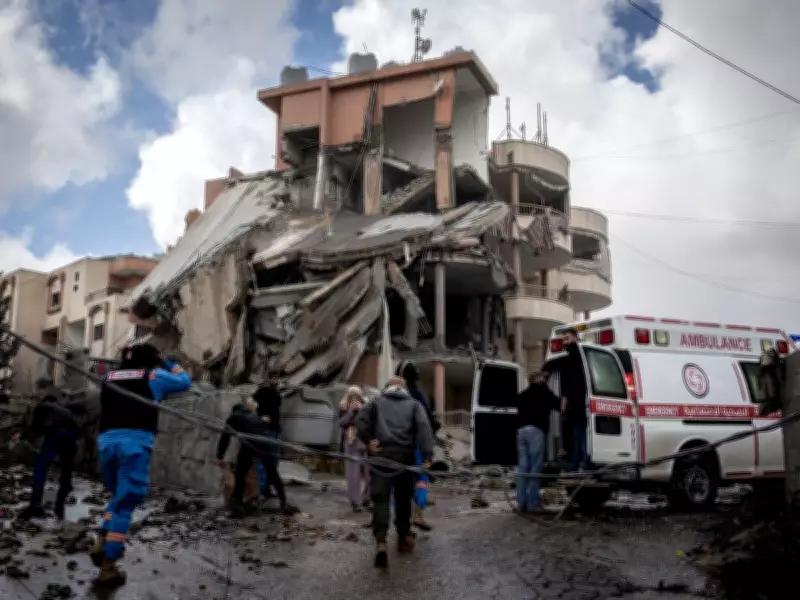
The fragility of these post-war principles is evident in recent developments. Following a U.S.-Iran ceasefire announcement in April 2026, Israel launched what it called the "largest coordinated strike" on Hezbollah targets in Lebanon since cross-border hostilities began in March. Israel maintains Lebanon wasn't included in the ceasefire, while Iran and Pakistan argue otherwise, with the U.S. position unclear.
This situation exemplifies how territorial disputes continue to escalate despite international frameworks designed to prevent them. The post-war solution was straightforward: changing borders by force became illegal. Attacking another country would constitute a crime, regardless of historical claims.
Breaking the Cycle
The architects of the post-war order acknowledged this approach was unfair to nations that had lost territory. Yet they believed this sacrifice was necessary to break the endless cycle of revenge and retaliation. As the old saying goes, "When you're up to your ass in alligators, it's hard to remember that your original goal was to drain the swamp."
Eighty years later, with conflicts proliferating worldwide, we risk forgetting this crucial lesson. The promise to end war through legal frameworks and territorial integrity appears increasingly distant as nations revert to force to settle disputes. The challenge remains whether humanity can reclaim that post-war determination before new technologies make future conflicts even more catastrophic than those our predecessors sought to prevent.