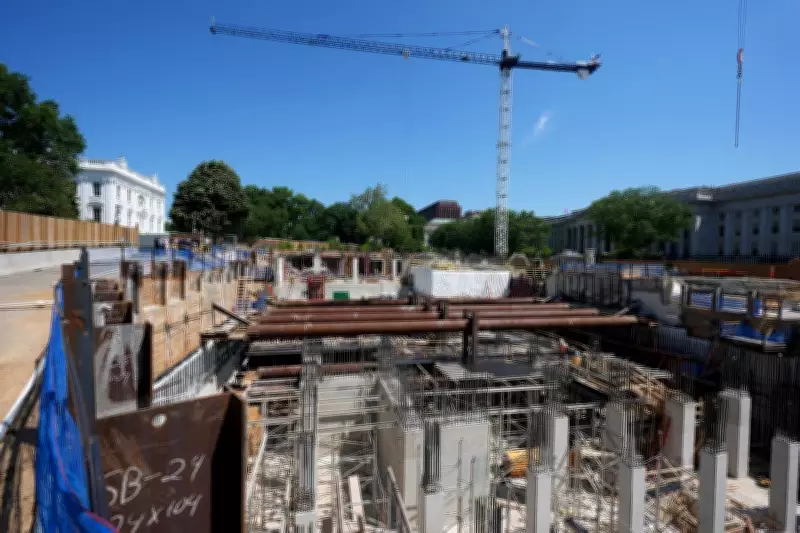
Republicans are expected to abandon a $1 billion security proposal for the White House and President Donald Trump's ballroom, according to sources familiar with the matter. The plan, which had been under discussion for months, would have funded enhanced security measures at both locations, including new barriers, surveillance systems, and personnel. However, internal disagreements over the cost and scope of the project, coupled with shifting political priorities, have led to its likely demise.
Background of the Proposal
The security proposal emerged in response to heightened threats against the president and his family, as well as concerns about the vulnerability of the White House complex. The ballroom, a venue frequently used for Trump's events, was also deemed a potential target. The $1 billion price tag included upgrades to perimeter fencing, advanced threat detection technology, and increased Secret Service presence.
Political Divisions
While some Republican lawmakers supported the measure as necessary for national security, others balked at the expense, arguing that the funds could be better spent elsewhere. Democrats had also criticized the proposal, calling it an excessive use of taxpayer money. With the midterm elections approaching, many Republicans are reluctant to back a costly initiative that could be portrayed as wasteful spending.

An aide to a key Republican senator stated, "There is no consensus on this. The price tag is simply too high, and the political will is not there." The abandonment of the proposal is seen as a setback for the Trump administration, which had prioritized the security upgrades.
Implications
The decision to drop the plan could leave both the White House and the ballroom with existing security gaps. However, officials say that baseline security measures remain in place and that no immediate threats have been identified. The ballroom, a symbol of Trump's political brand, will continue to host events under standard security protocols.
This development underscores the ongoing challenges in balancing security needs with fiscal responsibility, particularly in a politically charged environment. As the 2026 elections near, both parties are likely to use the issue to rally their bases.