Homeland Security Officially Designates Gordie Howe Bridge as Border Crossing Weeks Before Trump's Threat
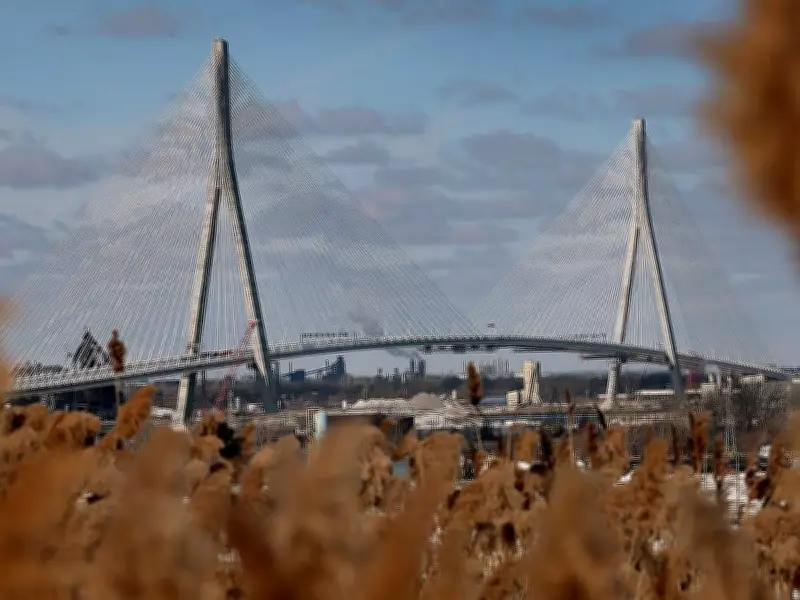
In a striking development that underscores internal contradictions within the U.S. government, the Department of Homeland Security (DHS) issued a "final rule" establishing the Gordie Howe International Bridge as an official port of entry mere weeks before former President Donald Trump threatened to block its opening entirely. The January 30 document, which becomes effective March 2, 2026, designates the Windsor-Detroit crossing as a Class A port of entry for immigration purposes and as part of the port of Detroit for customs operations.
Administration's Official Endorsement
The DHS document explicitly states that establishing the Gordie Howe International Bridge border crossing represents part of U.S. Customs and Border Protection's ongoing program to utilize personnel, facilities, and resources more efficiently while providing enhanced service to carriers, importers, and the general public. "The public will benefit greatly from the new bridge crossing," the department affirmed in its official ruling.
This action represents one of several endorsements that Trump or his administration officials have made regarding the Windsor-Detroit bridge project before the former president's surprising reversal. The final rule was issued under the authority of U.S. Secretary of Homeland Security Kristi Noem, who took an aerial tour of the bridge in June 2025 and, during her January 2025 confirmation hearing following her selection by Trump, told Michigan senators that staffing the new bridge would be a priority.

Trump's Contradictory Social Media Threat
Approximately two weeks after Secretary Noem issued the final rule, on February 9, Trump fired off a social media post filled with inaccuracies stating his intention to indefinitely block the bridge from opening. Among his grievances was the claim that Canada was taking "advantage of America," despite the fact that Canada is entirely funding the $6.4-billion bridge project.
This contradictory stance has prompted a group of U.S. lawmakers, all Michigan Democrats, to send Trump a letter reminding him of his administration's previous support for the bridge and what's at stake. "This critical conduit of international commerce will bring jobs to the United States and support our long-standing relationship with Canada," they wrote in a February 13 letter. "Your recent comments put those benefits and years of bipartisan work towards the opening of the bridge in jeopardy."
Political and Economic Implications
The lawmakers emphasized that any delay in opening the Gordie Howe Bridge could cost approximately $7 million per week, highlighting the significant economic consequences of political posturing. The letter was co-signed by U.S. Senators Elissa Slotkin and Gary Peters, along with U.S. Representatives Debbie Dingell, Haley Stevens, Hillary Scholten, Kristen McDonald Rivet, Shri Thanedar, and Rashida Tlaib.
The DHS document states that the department will notify the public when the bridge officially opens, maintaining that the establishment of this border crossing aligns with efforts to improve operational efficiency and public service. This development occurs against the backdrop of the bridge's construction, which has been viewed from observation decks in Malden Park in Windsor as it nears completion.
The timing of these events—with official designation occurring just before contradictory threats—creates a complex political landscape for one of North America's most significant infrastructure projects, raising questions about consistency in border policy and international relations between the United States and Canada.