Government-Run Grocery Stores: A Recipe for Failure, Critics Warn
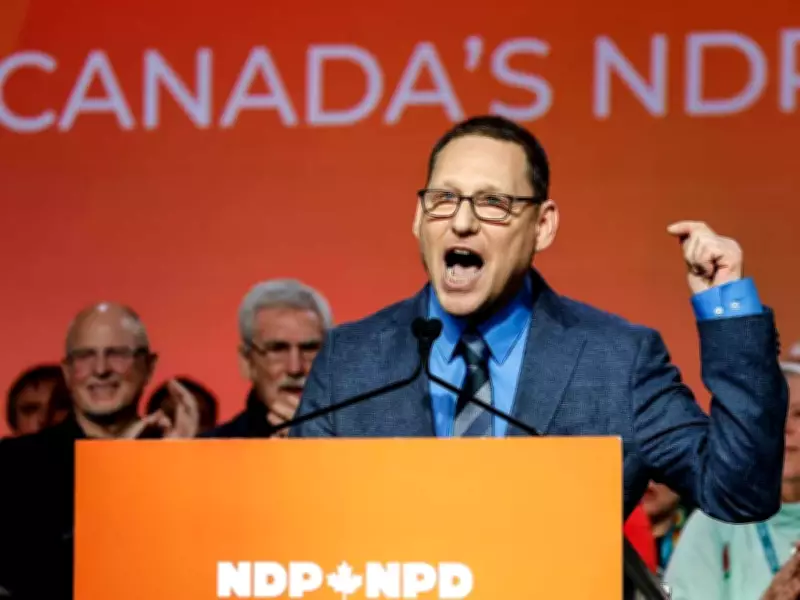
The election of Avi Lewis as the federal New Democratic Party leader has reignited debate about government intervention in the grocery sector, with critics warning that past experience shows such ventures are doomed to fail.
The Controversial Proposal
Lewis has suggested creating government-owned grocery stores using a high-volume, warehouse-style model with subsidized rent and utilities. He claims this approach could reduce grocery prices by 30-40%, offering relief to Canadians struggling with food inflation. However, economic analysts and political commentators have raised serious doubts about the feasibility of this plan.
"That's impossible given that the profit margin on groceries is 2-4% at best," writes Brian Lilley in the Toronto Sun. "A government-run store would come with government wages, which are generally about 25% higher on average compared to the private sector for similar jobs."

Municipal Parallels and Past Failures
The discussion has extended to municipal politics, with Toronto Mayor Olivia Chow directing city staff to report back next year with a strategy for establishing municipally operated grocery stores. Councillor Anthony Perruzza has similarly opened the door to what food experts called an "exciting" discussion about Toronto's first-ever public grocery stores.
Critics point to Toronto's troubled history with government-run ventures as evidence that such projects are unlikely to succeed. The city's Al a Cart program in 2009 serves as a cautionary tale. Designed to introduce multicultural street food alternatives to traditional hot dog stands, the program failed and left eight different cart owners in serious debt.
"Toronto can't run a hot dog stand," critics argue, noting that the city also struggles with housing management, facing an $8.5-billion repair backlog that has left residents dealing with mould, rats, and cockroaches.
Scale and Purchasing Power Challenges
Even left-leaning organizations acknowledge the practical difficulties of government-run grocery operations. The Canadian Centre for Policy Alternatives has admitted that municipal governments in Florida, Kansas, and Illinois all failed to sustain grocery stores after large chain grocers abandoned those areas.
The centre argues that public grocery stores would need a chain of 40-50 locations minimum to achieve sufficient purchasing power to compete effectively. This scale presents a significant challenge for government operations that typically lack the efficiency of private corporations like Loblaw, Walmart, or Sobeys.
"It is only the left that thinks profit is what makes anything expensive," critics contend, noting that Loblaw's 3-4% profit margin translates to over $2 billion in total profits from 2,400 stores—a scale of operations and purchasing power that government initiatives are unlikely to match.
Alternative Solutions Proposed
Rather than pursuing government-run grocery stores, critics suggest more practical approaches to addressing food affordability:
- Lowering business taxes to reduce operational costs for existing grocers
- Reducing regulatory red tape that increases compliance expenses
- Advocating for income-based assistance programs for low-income individuals
- Supporting market competition through incentives rather than direct government intervention
"Government doesn't have a track record showing competence in business," critics emphasize, pointing to the combination of too-high management levels, unionized workers, and bureaucratic inefficiencies that typically plague public sector commercial ventures.
The Political Context
The grocery store proposal comes as Lewis assumes leadership of the federal NDP, bringing renewed attention to his policy platform. The debate reflects broader discussions about government's role in addressing cost-of-living concerns while maintaining economic efficiency.
As municipalities like Toronto consider similar initiatives at the local level, the question remains whether governments can overcome their historical difficulties with commercial operations to successfully enter the competitive grocery market.