Federal Gun Buyback Delays Contribute to 'Diminished' Support, Minister Admits
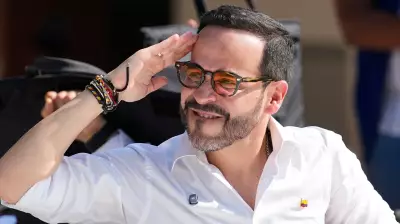
Public Safety Minister Gary Anandasangaree has acknowledged that the federal government's delays in launching its firearm compensation program have partially contributed to reduced support among police forces across various jurisdictions and created confusion among Canadian citizens. In a comprehensive interview with National Post, Anandasangaree stated, "There's been a lot of misunderstandings about the program," while emphasizing the government's commitment to completing the initiative in a timely manner.
Program Details and Current Participation
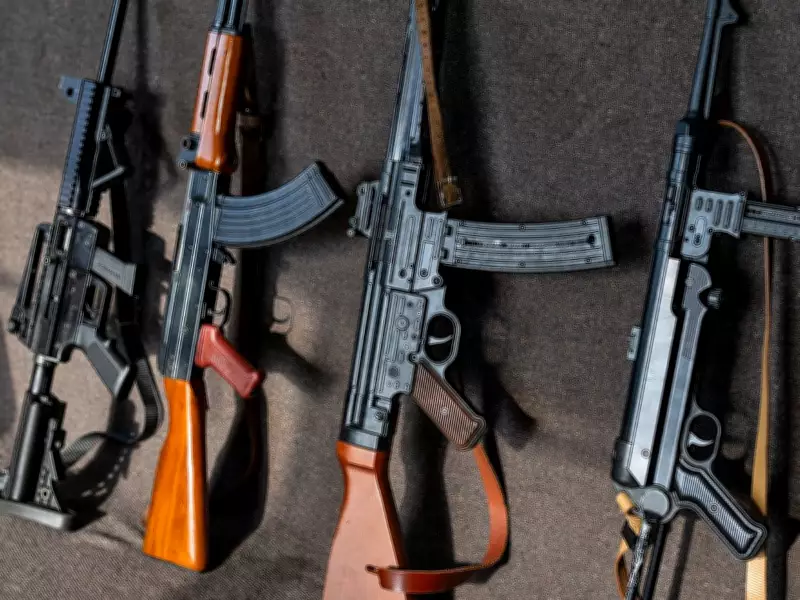
The federal Liberal government has prohibited more than 2,500 makes and models of firearms since 2020, with owners of these weapons having until the end of March to declare their willingness to participate in the compensation program that commenced in January. According to Public Safety Canada, the department overseeing the program, declarations for over 32,000 firearms had been received as of February 20. The government has allocated $250 million to compensate owners who surrender their weapons, with funds expected to cover up to 136,000 guns.
Anandasangaree has been encouraging affected gun owners to submit their declarations early if they seek compensation, noting that payments will be distributed on a first-come, first-served basis, and submitting a declaration does not guarantee payment. He suggested that as individuals realize the government may lack resources to compensate everyone, "they may be more inclined to enroll." The minister expressed satisfaction with the progress thus far, despite the challenges.

Historical Context and Opposition
The policy was initially promised during the 2019 federal election campaign under former Prime Minister Justin Trudeau and has faced opposition from prominent gun advocacy groups and lobbyists urging Prime Minister Mark Carney to reverse course. The ban began in May 2020 with approximately 1,500 models and variants, including the AR-15, following a mass shooting in rural Nova Scotia. Since then, hundreds more firearms deemed too dangerous for public use have been added to the prohibited list.
Pilot Program Results and Future Expectations
Firearms groups have highlighted results from a pilot program conducted in parts of Cape Breton last year, which yielded only 25 guns surrendered by about 16 individuals, despite officials anticipating up to 200. Anandasangaree admitted, "The pilot numbers were not as robust as we had expected," but maintained his belief that Canadians will still participate. He added, "As we get closer to the deadline, and as people look at rightfully getting compensation for a firearm that they can no longer use, we'll be registering in higher numbers."
The minister's comments underscore the ongoing complexities and public skepticism surrounding the federal gun buyback initiative, as the government works to navigate logistical hurdles and boost participation ahead of the impending deadline.