Life Under Occupation: Activists Detail Harsh Realities in Russian-Controlled Ukraine
Activists and former residents are painting a grim picture of daily existence in Russian-occupied territories of Ukraine, describing conditions as both harsh and perilous for civilians caught in the conflict. According to multiple accounts gathered by The Associated Press, life in these regions has become a constant struggle for survival, marked by severe shortages and ongoing dangers.
Struggles for Basic Necessities
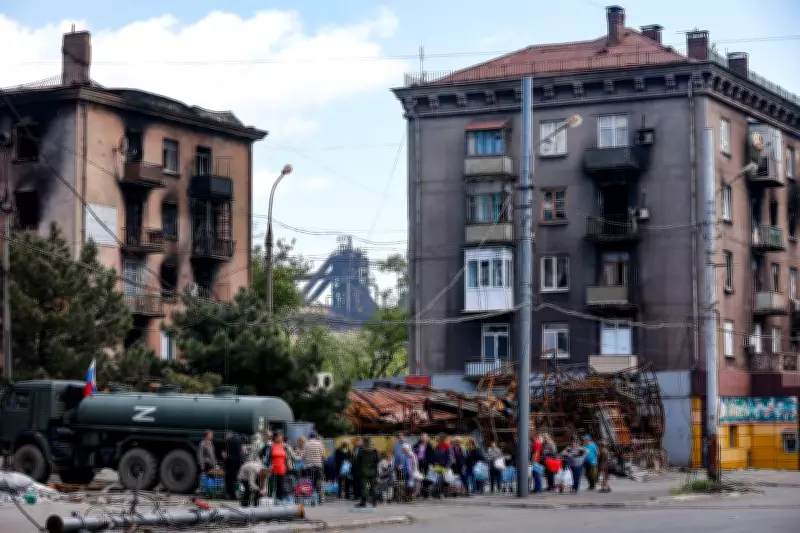
Reports indicate that access to fundamental resources like clean drinking water remains a critical challenge in many occupied areas. One poignant example comes from Mariupol, where civilians were documented gathering to receive water distributed by the Russian Emergency Situations Ministry in May 2022, shortly after the strategic eastern city fell to Moscow's forces. This scene underscores the dependency on external aid that has become commonplace in these regions.
The humanitarian situation appears particularly dire, with former residents describing systematic difficulties in obtaining food, medical supplies, and other essential goods. Many families reportedly face impossible choices between staying in their homes under occupation or attempting dangerous evacuations through contested zones.

Security Concerns and Civilian Safety
Beyond material deprivation, security remains a paramount concern for those living under Russian control. Activists report that arbitrary detentions, intimidation tactics, and restrictions on movement have created an atmosphere of fear and uncertainty. The presence of military forces and the ongoing conflict contribute to an environment where civilian safety cannot be guaranteed.
Former residents who have managed to leave these territories describe witnessing or experiencing various forms of coercion and violence. Educational and healthcare systems have reportedly been disrupted or repurposed, further diminishing quality of life for remaining populations.
International Response and Documentation
Human rights organizations continue to document conditions in occupied Ukraine, compiling evidence of potential violations of international humanitarian law. These reports typically highlight:
- Limited access to humanitarian aid and basic services
- Restrictions on freedom of movement and communication
- Allegations of forced conscription and population transfers
- Suppression of Ukrainian cultural and linguistic expression
The testimonies from activists and former residents add to a growing body of evidence about life under occupation. While Russian authorities have occasionally presented their administration of these territories as bringing stability, the accounts from those who have lived through the experience tell a different story—one of hardship, danger, and diminished prospects for normalcy.
As the conflict continues with no clear resolution in sight, the plight of civilians in occupied areas remains a pressing humanitarian concern. International observers warn that without improved access and protection mechanisms, conditions may deteriorate further, particularly as infrastructure damage accumulates and resources become increasingly scarce.