Pete Hegseth's Christian Nationalist Language Draws Fresh Criticism During U.S.-Iran Hostilities
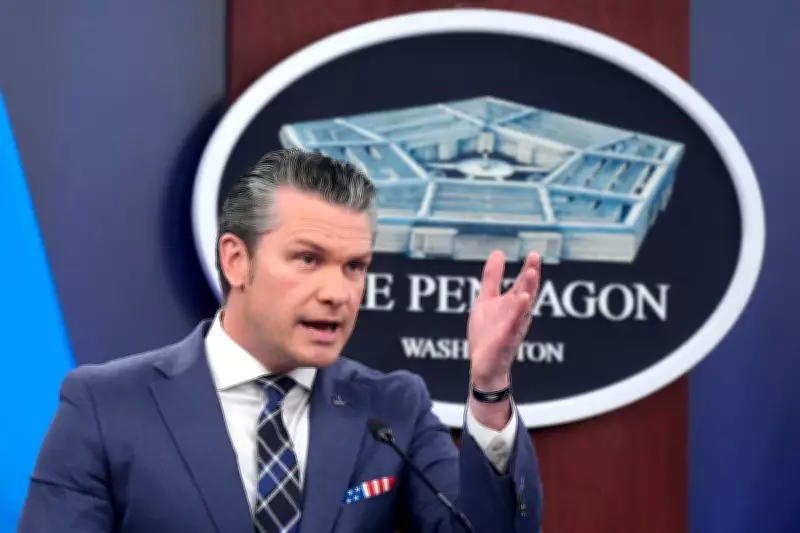
As the United States engages in open warfare with Iran, the public statements of Fox News host Pete Hegseth are attracting renewed and intense scrutiny. Hegseth, a prominent conservative commentator, has long incorporated overtly Christian nationalist rhetoric into his political analysis. This blending of religious and political discourse is now being critically examined by media watchdogs and political analysts alike, given the high-stakes international conflict.
Rhetoric in a Time of War
Hegseth's commentary frequently frames American foreign policy and domestic issues through a lens of Christian values and divine favor. In the lead-up to and during the current hostilities with Iran, observers note he has amplified this messaging. Critics argue that such rhetoric can oversimplify complex geopolitical situations, potentially painting conflicts in stark, moralistic terms of "good versus evil" that may not reflect nuanced realities.
This approach raises significant questions about the role of media personalities in shaping public perception during times of national crisis. Analysts suggest that coupling patriotic fervor with religious conviction can be a powerful tool for mobilizing public opinion, but it also risks alienating segments of the population and complicating diplomatic narratives.

Broader Context of Scrutiny
The scrutiny of Hegseth is not occurring in a vacuum. It reflects ongoing debates about the intersection of religion, media, and politics in American public life. His position on a major news network gives his views a wide platform, making the content and framing of his messages a subject of public interest and concern.
"When commentators merge faith with political advocacy, especially during wartime, it demands careful public examination," noted one media ethics professor. "The key issues are accuracy, context, and the potential impact on a diverse viewership."
The conflict with Iran, marked by its own deep historical and religious dimensions, makes this examination particularly poignant. Hegseth's commentary is being dissected for how it might influence domestic understanding of the war's causes, objectives, and moral justification.
Implications for Public Discourse
The renewed focus on Hegseth's rhetoric highlights a persistent tension in American media. On one hand, commentators have the right to express their personal beliefs. On the other, there is a growing call for transparency and accountability regarding how those beliefs inform analysis of critical national security events.
As the situation with Iran develops, the scrutiny of figures like Pete Hegseth is likely to continue, serving as a case study in the powerful and sometimes controversial role that religiously-inflected language plays in modern political journalism during times of international conflict.