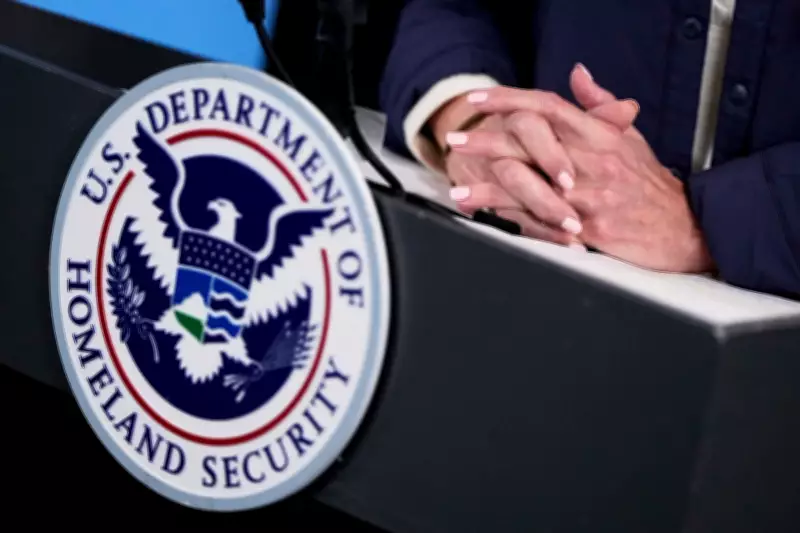
Homeland Security Braces for Partial Shutdown as Funding Deadline Approaches
The Department of Homeland Security (DHS) is preparing for a partial government shutdown beginning this weekend, following a congressional impasse over critical funding legislation. The shutdown, which could disrupt numerous security and emergency management functions, comes as lawmakers failed to reach an agreement before the February 15 deadline.
Operational Impacts and Contingency Planning
While essential personnel, including those in roles directly related to national security and life-saving operations, will remain on duty, many non-essential DHS functions are expected to be suspended. This includes certain administrative offices, training programs, and non-urgent infrastructure projects. Secretary Kristi Noem has emphasized that contingency plans are in place to maintain core missions, such as border security, cybersecurity monitoring, and disaster response coordination through the Federal Emergency Management Agency (FEMA).
The funding lapse stems from a broader political stalemate in Congress, where disagreements over immigration policy and border security funding have blocked the passage of a full-year appropriations bill for DHS. A short-term continuing resolution expired earlier this month, leaving the department operating under limited authority.

Secretary Noem's Public Statements and Warnings
In recent public appearances, including a January news conference at FEMA headquarters, Secretary Noem has warned of the operational risks posed by a shutdown. "A lapse in funding undermines our strategic readiness and places unnecessary strain on the men and women who protect our homeland," Noem stated. She has urged Congress to pass a clean funding bill to avoid disruptions.
The potential shutdown occurs amid other national security concerns, including ongoing investigations into domestic threats and international cyber activities. Analysts note that even a partial shutdown could delay intelligence sharing, slow vetting processes for travel and immigration, and hinder long-term planning efforts.
Broader Context and Historical Precedents
This would not be the first time DHS has faced a funding crisis. Previous shutdowns, such as those in 2018 and 2013, led to furloughs of thousands of employees and temporary suspensions of services like E-Verify and some federal grant programs. The current situation echoes those challenges, with employee unions expressing concern over workforce morale and operational continuity.
As the weekend approaches, congressional leaders from both parties are reportedly engaged in last-minute negotiations, but the outcome remains uncertain. The White House has called for a bipartisan solution to fund DHS fully, highlighting the department's role in addressing emergencies, from natural disasters to public health crises.
The impending shutdown underscores the ongoing budgetary tensions in Washington and their direct impact on federal agencies tasked with protecting the nation. Stakeholders, including state and local law enforcement partners, are monitoring the situation closely for any ripple effects on joint security initiatives.