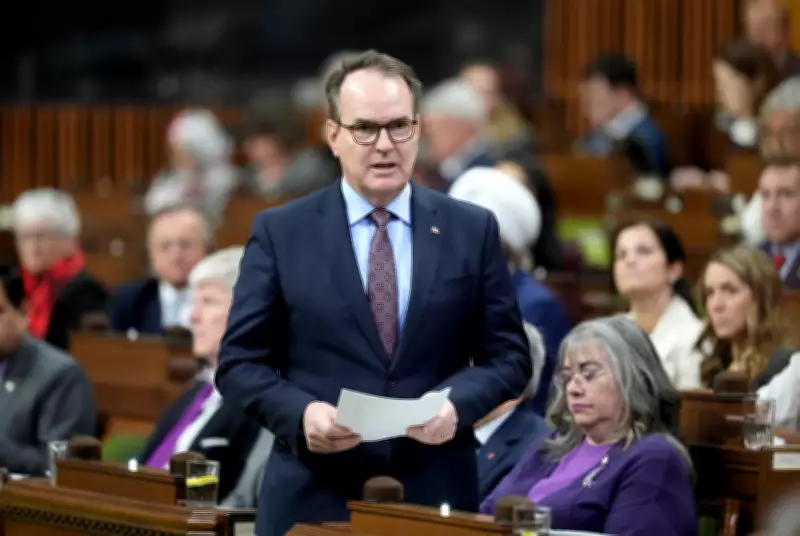
House Leader Stands Firm on Omnibus Budget Implementation Bill
Government House Leader Steven MacKinnon has publicly defended the Liberal government's decision to introduce the budget implementation bill as an omnibus package, emphasizing its role in streamlining legislative processes. Speaking in the House of Commons in Ottawa, MacKinnon asserted that this approach is essential for efficient governance and timely policy enactment.
Efficiency and Necessity in Legislative Strategy
MacKinnon highlighted that the omnibus bill consolidates multiple budgetary measures into a single piece of legislation, reducing parliamentary delays and ensuring cohesive implementation. He argued that this method aligns with standard practices in Canadian politics, allowing for comprehensive fiscal adjustments without fragmenting debates across numerous separate bills.
Critics, however, have raised concerns about transparency and accountability, suggesting that omnibus bills can obscure individual policy impacts and limit detailed scrutiny. MacKinnon countered these claims by noting that all provisions undergo rigorous committee reviews and parliamentary discussions, maintaining democratic oversight.

Context and Broader Implications
The decision comes amid a busy parliamentary session, with the government aiming to advance its economic agenda ahead of key deadlines. MacKinnon's defense underscores the Liberals' commitment to their budgetary framework, which includes measures on healthcare, infrastructure, and social programs. He stressed that the omnibus format is not unprecedented and has been utilized by previous administrations of various political stripes to manage complex legislative calendars.
As debates continue, the focus remains on balancing legislative efficiency with thorough examination, a challenge that MacKinnon believes the current approach adequately addresses. The outcome of this parliamentary process will likely influence future budget implementations and set precedents for how fiscal policies are structured and debated in Canada.