U.S. House Prepares for Crucial Vote on Iran War Powers Resolution
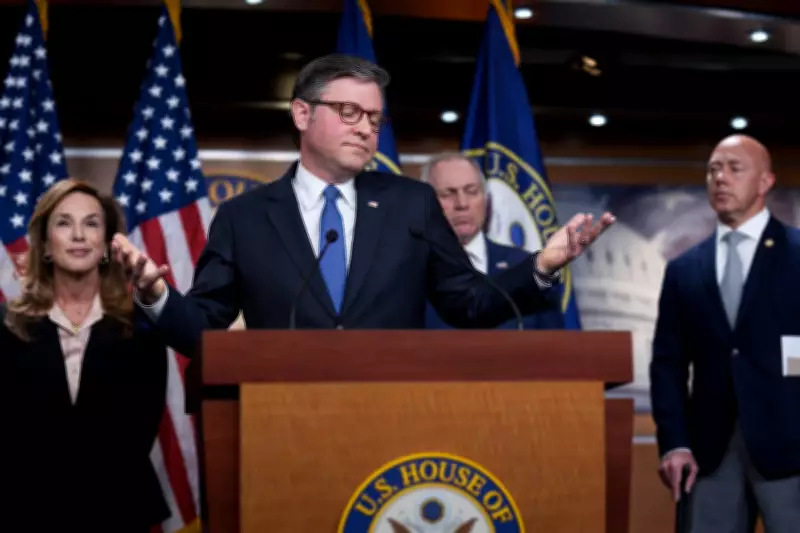
The U.S. House of Representatives is scheduled to hold a pivotal vote on a war powers resolution related to Iran, marking a significant test of former President Donald Trump's military strategy in the region. This legislative action comes amid escalating tensions and debates over U.S. involvement in Middle Eastern conflicts, with potential ramifications for global alliances and domestic policy.
Testing Trump's Legacy in Military Affairs
The resolution directly challenges the strategic approach implemented by the Trump administration, which included targeted strikes against Iran to counter perceived nuclear threats. Proponents argue that the vote will clarify congressional authority over military engagements, while critics view it as a political maneuver that could undermine ongoing diplomatic efforts. The outcome is expected to influence future U.S. foreign policy decisions and set precedents for executive power in conflict zones.
International Reactions and Alliance Dynamics
As the vote approaches, international observers are closely monitoring the situation, with NATO allies like Turkey already facing repercussions from the broader Middle East conflict. Canadian Prime Minister Mark Carney has commented on the possibility of Canada joining military actions, stating that participation cannot be categorically ruled out, highlighting the interconnected nature of global security alliances. This underscores how domestic U.S. politics can have far-reaching effects on international cooperation and military coordination.

Broader Implications for Regional Stability
The resolution vote occurs against a backdrop of heightened military activities, including expanded U.S. campaigns against Iran and statements from Trump emphasizing the need to address what he describes as an "out-of-control" nation. Analysts suggest that this legislative test could either reinforce or recalibrate U.S. strategy, impacting not only Iran but also neighboring countries and global energy markets. The decision will likely spark further discussions on the balance between aggressive posturing and diplomatic solutions in conflict resolution.