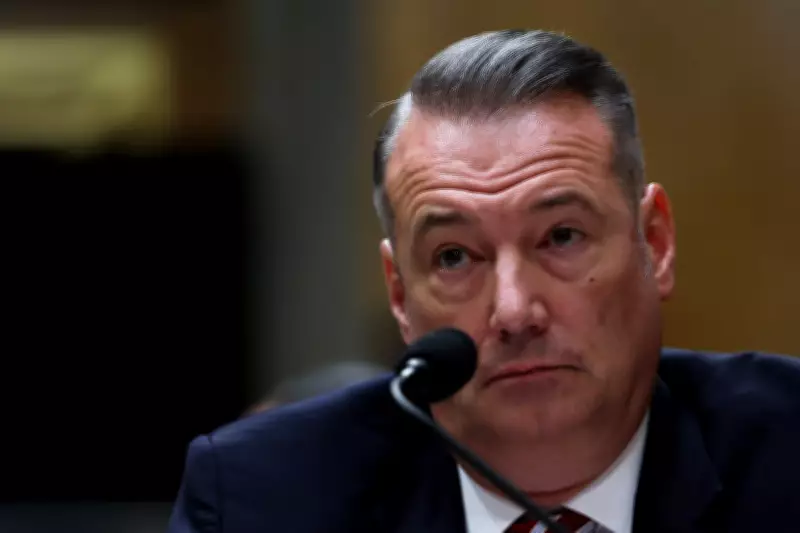
ICE Acting Director Todd Lyons to Step Down at End of May, DHS Confirms
The Department of Homeland Security (DHS) has officially announced that Todd Lyons, the senior official performing the duties of the director at U.S. Immigration and Customs Enforcement (ICE), will resign at the end of May 2026. This development marks a significant leadership change within one of the nation's key immigration enforcement agencies.
Leadership Transition at Immigration and Customs Enforcement
Todd Lyons has been serving as the acting director of ICE, a critical role overseeing the agency's operations in immigration enforcement, customs investigations, and homeland security. His departure comes amid ongoing debates and challenges in U.S. immigration policy, with ICE often at the center of political and public scrutiny.
Lyons' tenure included appearances before congressional committees, such as a Senate Homeland Security Committee hearing in February 2026, where he addressed issues related to border security and agency protocols. His resignation is set to take effect by May 31, 2026, according to the DHS statement released on April 17, 2026.

Implications for U.S. Immigration Policy
The resignation of an ICE acting director can have broad implications for the agency's direction and the enforcement of immigration laws. Under Lyons' leadership, ICE has navigated complex issues, including detention policies, deportation proceedings, and collaboration with other federal entities.
This change occurs as the United States continues to grapple with immigration reform, border management, and humanitarian concerns. The timing of Lyons' exit may influence upcoming administrative decisions and strategic shifts within ICE, potentially affecting how immigration laws are implemented across the country.
Background and Context of the Announcement
Todd Lyons assumed the role of acting director after previous leadership changes at ICE, stepping into a position that requires balancing enforcement mandates with evolving policy landscapes. His resignation announcement follows a period of heightened activity for the agency, including increased enforcement actions and public hearings.
The DHS has not yet disclosed details about a potential successor or interim arrangements, leaving questions about the continuity of ICE's operations. Observers note that such transitions can impact agency morale, operational efficiency, and stakeholder relationships, making this a pivotal moment for immigration governance.
As the end of May approaches, attention will likely turn to the nomination and confirmation process for a new ICE director, a role that requires Senate approval. This resignation underscores the dynamic nature of federal immigration leadership and its critical role in shaping national security and community safety.