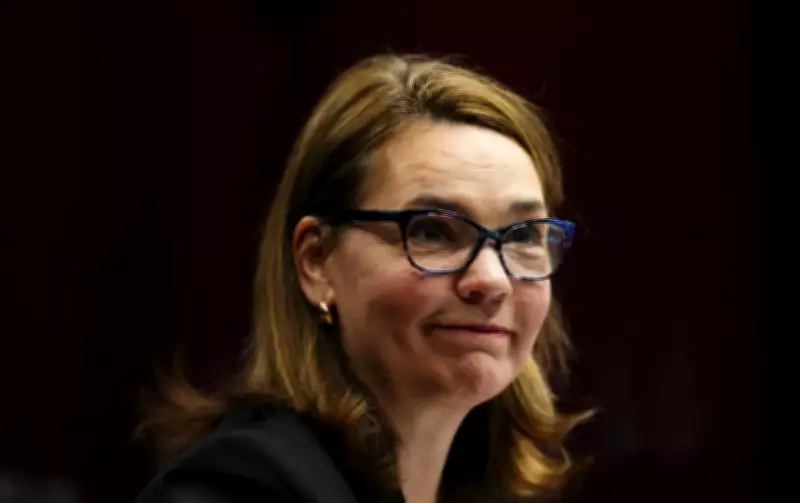
Information Commissioner Calls for PMO to Fall Under Access Law
Information Commissioner Caroline Maynard has made a compelling case to Members of Parliament, urging them to extend the coverage of the Access to Information Act to include the Prime Minister's Office. This recommendation, delivered during a parliamentary committee session, highlights a significant gap in Canada's transparency framework that has long been criticized by advocates for open government.
A Push for Greater Government Transparency
Caroline Maynard, who serves as the independent officer of Parliament responsible for overseeing the Access to Information Act, emphasized that the PMO's current exemption undermines public accountability. The Prime Minister's Office operates as a central hub of decision-making and policy development, yet it remains shielded from routine public scrutiny under existing legislation. Maynard argued that this exclusion is inconsistent with the principles of democratic governance, where transparency should be the norm rather than the exception.
"The PMO plays a critical role in shaping national policies and directives," Maynard stated during her testimony. "Excluding it from access laws creates a transparency void at the very heart of our federal government." Her remarks come amid ongoing debates about governmental openness and the public's right to know how decisions are made on their behalf.

The Current Legal Landscape and Proposed Changes
Under the current Access to Information Act, federal departments and agencies are required to respond to public requests for records, with certain exemptions for sensitive information. However, the PMO, along with ministers' offices, is not explicitly covered, allowing it to operate without the same disclosure obligations. Maynard's proposal seeks to amend the act to include these offices, ensuring they are subject to similar transparency standards.
This move is not without precedent. In recent years, there have been increasing calls from civil society groups, journalists, and opposition parties to broaden the scope of access laws. Advocates point to instances where PMO communications could shed light on key governmental actions, such as policy formulations, appointments, and crisis responses. By bringing the PMO under the act, Maynard believes it would enhance public trust and foster a more accountable administration.
Potential Impacts and Challenges
If implemented, extending the Access to Information Act to the PMO could have far-reaching implications:
- Increased Public Insight: Citizens and media could request records related to PMO operations, providing a clearer view of governmental processes.
- Enhanced Accountability: Decision-makers within the PMO would need to ensure their documentation meets transparency standards, potentially reducing opaqueness.
- Operational Adjustments: The PMO might need to adopt new record-keeping practices to comply with access requests, which could involve logistical challenges.
However, Maynard acknowledged potential hurdles, such as balancing transparency with the need to protect sensitive advice and national security information. She suggested that existing exemptions within the act could be applied to the PMO to address these concerns, ensuring that legitimate secrets are safeguarded while promoting openness.
Broader Context and Next Steps
This recommendation aligns with a global trend toward greater governmental transparency, as seen in countries that have expanded access laws to cover executive offices. In Canada, the issue has gained traction amid public demand for more openness, particularly following high-profile controversies where PMO involvement was scrutinized.
Maynard's testimony is expected to inform ongoing parliamentary discussions on modernizing the Access to Information Act. MPs will now consider her proposal as part of broader efforts to update transparency legislation, with potential amendments to be debated in the House of Commons. The outcome could reshape how Canadians interact with their federal government, setting a new standard for accountability in the digital age.

As the debate unfolds, stakeholders from across the political spectrum are likely to weigh in, highlighting the delicate balance between transparency and effective governance. For now, Caroline Maynard's call serves as a pivotal moment in the push for a more open and accessible Prime Minister's Office.