Iranian Cleric Hints at Succession Amid Escalating Regional Conflict
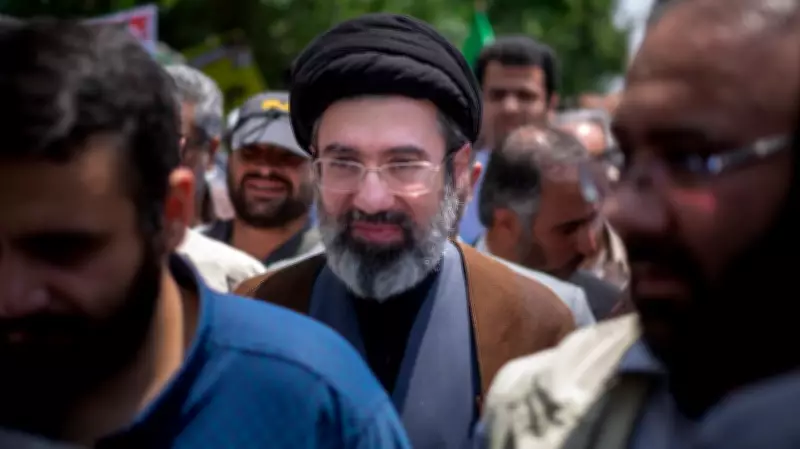
DUBAI/JERUSALEM, March 8 – In a significant development, a senior Iranian cleric involved in the selection process for a new supreme leader has indicated that Ayatollah Ali Khamenei’s son, Mojtaba Khamenei, is poised to succeed his father. The comment comes as Israel intensifies its military campaign against Iran, threatening whoever is chosen for the pivotal role.
Assembly of Experts Member Points to Mojtaba Khamenei
Ayatollah Hosseinali Eshkevari, a member of the Assembly of Experts, stated in a video published by Iranian media that "the name of Khamenei will continue." He added, "The vote has been cast and will be announced soon," without providing further details. This follows growing expectations that Mojtaba Khamenei, a hardline cleric like his father, will be named supreme leader, a position granting ultimate authority over all state matters in the Islamic Republic.
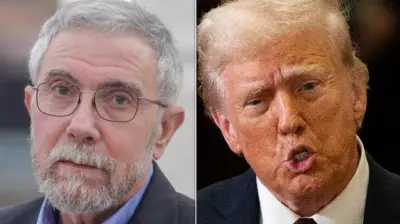
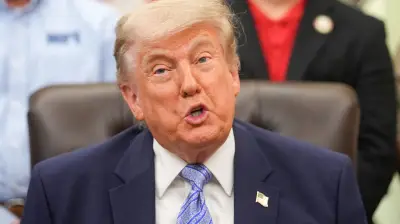
If confirmed, this move could provoke a strong reaction from U.S. President Donald Trump, who previously asserted he should have a role in choosing Iran’s next leader—a demand Iran has firmly rejected. The succession decision signals that hardliners remain firmly in control within Iran’s political landscape.

Escalating Military Strikes and Regional Fallout
As the conflict enters its ninth day, Israel has expanded its strikes on Iran to include fuel depots, with thick black smoke reported over Tehran after attacks on oil storage facilities. Israeli military spokesman Lieutenant Colonel Nadav Shoshani defended the strikes, stating the depots were legal military targets used to fuel Iran’s war effort, including ballistic missile production.
Israeli Prime Minister Benjamin Netanyahu vowed to continue the assault, saying his government would strike Iran’s rulers "without mercy" and had a plan to destabilize the regime. Meanwhile, U.S. special envoy Steve Witkoff and Trump’s son-in-law Jared Kushner are scheduled to visit Israel in the coming days, according to reports from Axios and Israeli media.
Iranian Retaliation and Broader Regional Impact
In response, Iran has launched drone attacks across the Gulf region, targeting Saudi Arabia, Kuwait, the United Arab Emirates, and Bahrain. These strikes have resulted in casualties, including two officers killed in Kuwait and four migrant workers in the UAE. Bahrain reported an Iranian drone attack caused material damage to a desalination plant, though water supplies were not disrupted.
Iran’s foreign ministry spokesperson Esmaeil Baghaei condemned the U.S.-Israeli attacks as a "dangerous new phase" and a war crime, citing the release of hazardous materials from targeted fuel depots. The conflict has also drawn in Lebanon, where Hezbollah has launched rockets into Israel, leading to Israeli strikes that killed at least four people in Beirut.
Human Toll and Nuclear Concerns
The ongoing violence has resulted in significant casualties, with at least 1,332 Iranian civilians reported killed and thousands wounded, according to Iran’s U.N. ambassador. In Israel, 10 people have died from Iranian attacks, while at least six U.S. service members have been killed. Discussions between the U.S. and Israel about sending special forces into Iran to secure its stockpile of highly enriched uranium have been reported, though Trump indicated such action would only occur if Iran were severely weakened.
As global energy prices surge and air travel faces disruptions, the conflict shows no signs of abating, with both sides preparing for further escalation in this volatile region.