Iranian Security Forces Launch Extensive Nationwide Crackdown on Protesters
In a significant escalation of state control, Iranian security authorities have mobilized a dragnet operation spanning the entire country to arrest individuals involved in protest activities. This coordinated effort underscores the government's firm stance against dissent and its commitment to maintaining public order through stringent measures.
Evidence from Tehran Highlights the Scale of the Operation
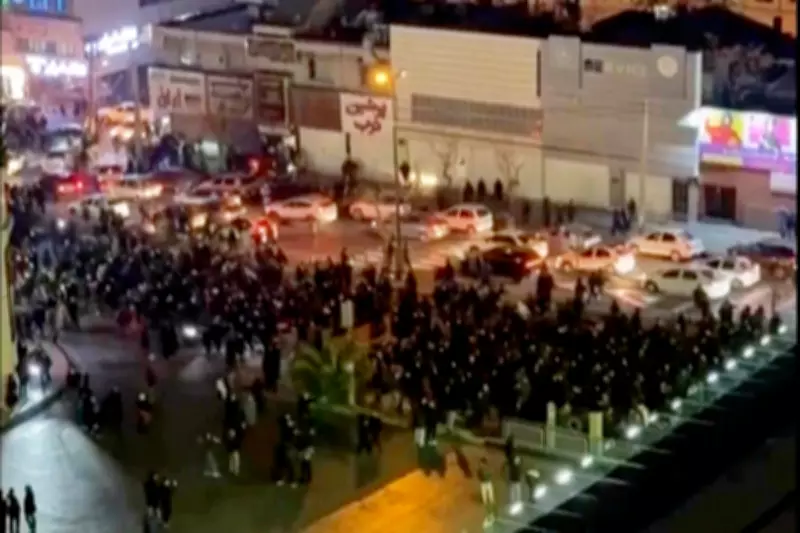
Video footage obtained from sources outside Iran and verified by The Associated Press provides a stark visual account of the situation. The footage, recorded on January 8, 2026, depicts protesters blocking an intersection in Tehran, illustrating the tensions that have prompted this widespread security response. The use of such evidence highlights the international scrutiny facing Iran's internal policies and the challenges in documenting events within the country.
Context and Implications of the Crackdown
The deployment of a nationwide dragnet reflects a broader strategy by Iranian authorities to preempt and suppress potential unrest. This operation involves extensive surveillance and coordinated arrests, aiming to deter future protests and reinforce state authority. Analysts note that such measures are part of a long-standing pattern in Iran, where security forces often respond to civil unrest with robust and sweeping actions.

The timing of this crackdown is particularly notable, as it follows a period of heightened social and political tensions in the region. By arresting protesters across the country, Iranian officials are sending a clear message about their zero-tolerance approach to dissent, which could have lasting effects on civil liberties and human rights within the nation.
International Reactions and Future Outlook
While the immediate focus is on the domestic impact, this development is likely to draw attention from global observers and human rights organizations. The use of a dragnet operation raises concerns about due process and the treatment of detainees, potentially influencing Iran's international relations and diplomatic engagements.
Looking ahead, the effectiveness of this crackdown in quelling protests remains uncertain. Historical precedents suggest that such measures may temporarily suppress dissent but could also fuel further resistance among the populace. As the situation evolves, continued monitoring and reporting will be essential to understand the full ramifications of Iran's security strategies.