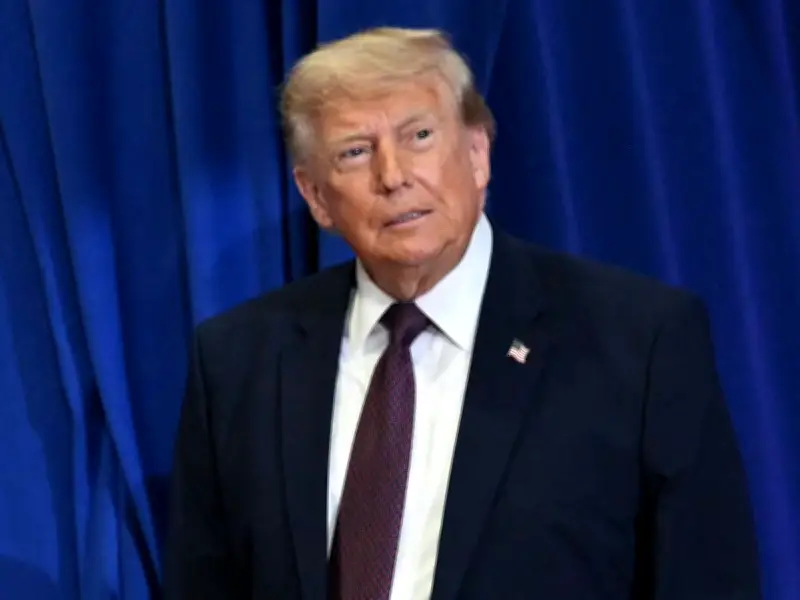
The Republican-led Senate voted Tuesday to end the U.S. war with Iran, in a rare symbolic rebuke of President Donald Trump, as Tehran disputed his description of a deal over unfrozen Iranian funds. The resolution is unlikely to force changes in administration strategy but underscores growing domestic opposition to the conflict.
Trump's claims and Iran's rebuttal
Trump said Iran will be able to use funds released from frozen accounts only to purchase food and medical supplies from the U.S. He wrote on social media that the billions of dollars will go “into escrow, controlled by the U.S.A.” and be used for American-grown products like corn, wheat, and soybeans. He also claimed Iran had agreed to “highest level Nuclear inspections long into the future” as part of negotiations over Tehran’s atomic activities.
Iran’s Foreign Ministry spokesman Esmail Baghaei quickly disputed both assertions. He said the funds would be used by his country “freely, in whatever manner it deems appropriate,” rather than being restricted to U.S. purchases. Baghaei also rejected Trump’s nuclear inspections claim, stating: “we have neither met with the director general of the International Atomic Energy Agency nor do we have any plans for the agency to inspect Iran’s nuclear facilities.”

Senate vote and domestic criticism
The Senate vote marks a rare bipartisan rebuke of Trump’s war policy. While symbolic, it signals the president lacks domestic support for the conflict. The back-and-forth on what was agreed to last week runs alongside growing criticism of U.S. conduct in the war, including from defense hawks in Trump’s own party.
Trump defended his position, telling reporters: “They’re wrong. They know they’re wrong. They told us inside and we have it down, 100% inspections — and if they were right, I’d cancel the meetings right now.” His insistence on restricting fund use to U.S. agricultural products could appeal to American farmers, a key political constituency ahead of November midterm elections.
Strait of Hormuz and oil prices
Meanwhile, Iran and Oman said they will begin work on an agreement over the future administration of the Strait of Hormuz, including the cost of managing transit in the key shipping lane. Oil prices fell Tuesday, with Brent crude declining to US$76.88 a barrel, down from a high of around US$125 in late April and approaching pre-war levels.