New Leadership Council Assumes Power in Iran Following Supreme Leader's Death
A newly formed leadership council has officially begun its work in Iran, stepping into the power vacuum created by the death of longtime Supreme Leader Ali Khamenei. This transition occurs amidst escalating regional tensions following coordinated military strikes by the United States and Israel against Iranian targets.
Regional Conflict Intensifies After Military Strikes
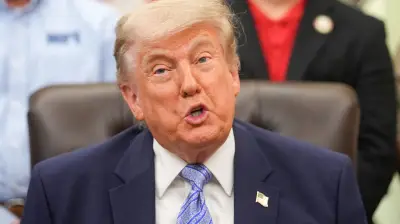
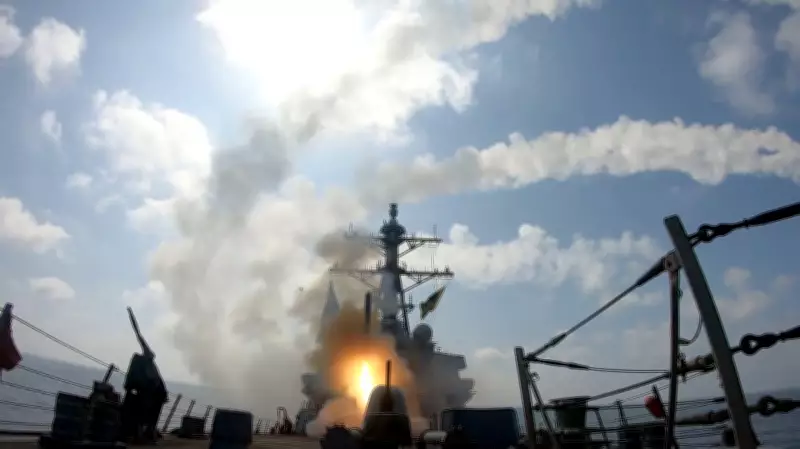
The leadership transition unfolds against a backdrop of significant military action in the Middle East. United States and Israeli forces conducted joint attacks on Iranian positions, with former U.S. President Donald Trump declaring "major combat operations in Iran" and labeling the nation as "the principal source of instability and terror throughout the Middle East."
Military analysts note these strikes represent a substantial escalation, with one expert observing "a vast difference in the targeting than in the past." The U.S. military has identified Iran's extensive missile arsenal as a primary concern, suggesting this represents a strategic shift in regional military priorities.

International Reactions and Diplomatic Fallout
Global leaders have responded with varying degrees of support and concern. Canadian Prime Minister Carney has offered what observers describe as "a pretty explicit expression of support" for the military actions against Iran. Meanwhile, world leaders are urging a return to diplomatic talks following the strikes that resulted in Khamenei's death.
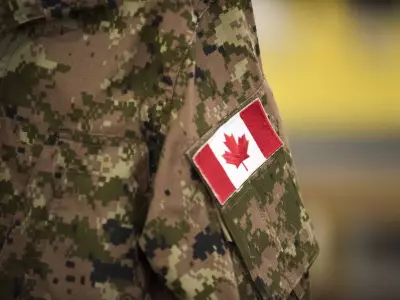
Canada's role in the evolving conflict appears limited, with retired military officials suggesting the country will play "a limited role in Middle East conflict after Iran attack." Defense Minister Anand has expressed backing for Qatar and the United Arab Emirates against potential Iranian retaliation.
Domestic Iranian Response and Diaspora Reactions
Within Iran, the leadership council faces immediate challenges in stabilizing the nation. Internationally, Iranian communities abroad have expressed mixed reactions to recent developments. In Winnipeg, members of the Iranian community stated "we've been waiting for this for a long time" regarding the strikes, while Iranians in Regina expressed hope for their homeland's future hours after Khamenei's death.
The political transition has sparked protests beyond Iran's borders, with at least nine fatalities reported when demonstrators stormed the U.S. Consulate in Pakistan to protest the supreme leader's killing.
Broader Regional and Economic Implications
The instability has immediate economic consequences, particularly in energy markets. Oil prices are anticipated to experience significant volatility as the U.S.-Israel strikes raise concerns about supply uncertainty in the crucial Middle Eastern region.
Meanwhile, the conflict's ripple effects extend to diplomatic relations, with Canada and India both expressing interest in pursuing a free-trade agreement despite ongoing discussions about foreign interference concerns.
The new leadership council in Iran now faces the formidable task of navigating both domestic governance challenges and intense international pressure as regional tensions reach their highest point in years. The council's early decisions will likely shape Iran's trajectory and influence broader Middle Eastern stability for the foreseeable future.