Iran Announces Successor to Supreme Leader Amidst Regional Unrest
In a significant political development, Iranian state media has officially confirmed the appointment of Mojtaba Khamenei, the son of the late Ayatollah Ali Khamenei, as the new supreme leader of the Islamic Republic. This announcement, made on March 8, 2026, marks a critical transition in Iran's leadership as the nation grapples with escalating conflicts in the Middle East and internal pressures.
A Historic Transition in Iranian Governance
The selection of Mojtaba Khamenei follows the passing of his father, who served as Iran's supreme leader for over three decades, shaping the country's domestic and foreign policies. This appointment is seen as a move to ensure continuity within the establishment, particularly during a period of heightened geopolitical tensions. State media emphasized that the decision was made by the Assembly of Experts, Iran's clerical body responsible for choosing the supreme leader, underscoring its constitutional legitimacy.
Iran's president has reiterated the nation's steadfast stance, declaring that Iran "will not bow" to external pressures from the United States and Israel. This statement comes amid ongoing military engagements and economic sanctions that have strained Iran's resources and international relations. The leadership change is expected to influence Iran's strategies in the conflict, potentially affecting diplomatic negotiations and regional alliances.

Context of Regional and Domestic Challenges
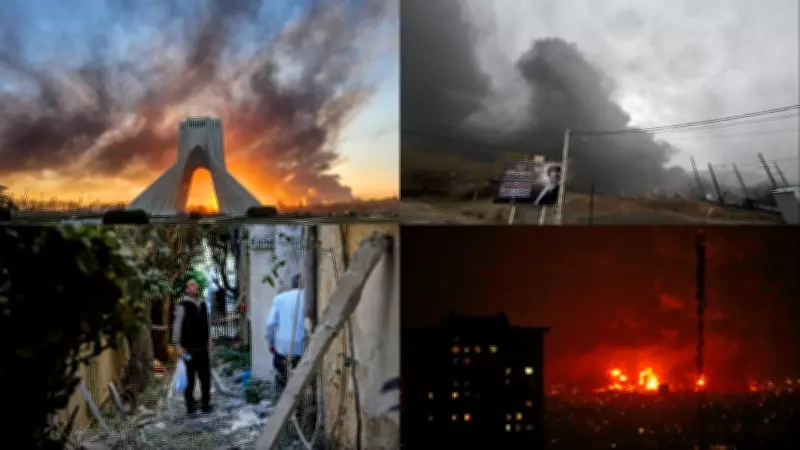
The announcement coincides with reports of military actions within Iran, including strikes on oil facilities in Tehran that resulted in thick plumes of smoke filling the sky. These incidents highlight the direct impact of the war on Iran's infrastructure and civilian life. Additionally, domestic issues such as protests over social policies and economic hardships have added layers of complexity to the political landscape.
Analysts note that the appointment of Khamenei's son could signal a consolidation of power within conservative factions, potentially impacting Iran's approach to internal dissent and international diplomacy. The supreme leader holds ultimate authority over Iran's armed forces and foreign policy, making this transition a focal point for global observers monitoring the Middle East conflict.
Broader Implications for Global Politics
This leadership shift occurs against a backdrop of broader global events, including discussions on trade and national security between other nations, such as Canada and India, and environmental concerns like wildfire preparations in Alberta. However, the focus remains on Iran's role in the ongoing war, with live updates continuing to detail developments in the region.
The international community is closely watching how the new supreme leader will navigate Iran's relationships with key players like the U.S. and Israel, as well as its involvement in regional proxy conflicts. The outcome of this transition could have lasting effects on Middle East stability and global security dynamics.