Iran's Supreme Leader Designates Son as Successor in Pivotal Announcement
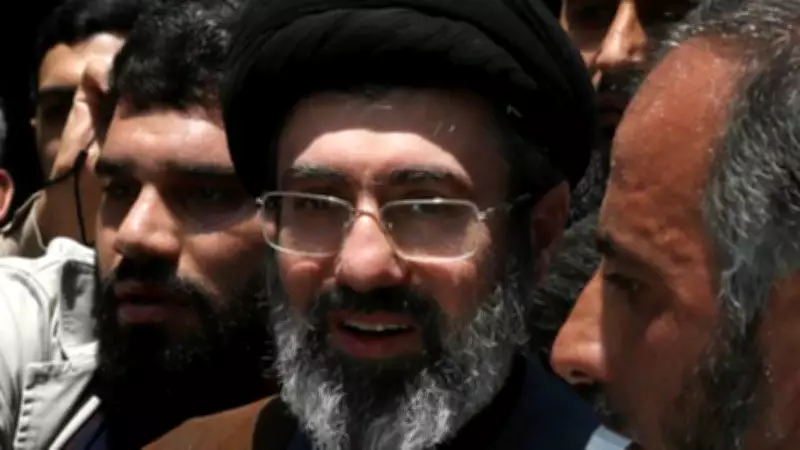
In a move with profound implications for Iran's political future, state television has announced that Mojtaba Khamenei, son of Supreme Leader Ayatollah Ali Khamenei, has been named as his successor. This development comes amid heightened regional tensions and ongoing conflict in the Middle East, marking a critical moment in Iran's leadership transition.
Official Announcement and Timing
The announcement was made through Iranian state media on March 8, 2026, with the report indicating the designation had been formally established. The timing coincides with escalating military engagements in the region, including recent strikes on oil facilities in Tehran that sent thick plumes of smoke into the sky. While the supreme leader's position is technically filled by the Assembly of Experts, this designation signals the likely future direction of Iran's highest authority.
Background and Significance
Mojtaba Khamenei, who has maintained a relatively low public profile compared to his father, is understood to have been involved in religious and political circles within Iran's power structure. His designation as successor represents a continuation of the Khamenei lineage in Iran's leadership, potentially ensuring ideological consistency in the nation's governance. This decision occurs against a backdrop of multiple regional crises, including attacks on civilian infrastructure and ongoing diplomatic tensions.

The succession planning has been a subject of speculation for years, with various potential candidates discussed within Iranian political circles. The formal announcement through state media provides official confirmation of what many analysts had anticipated, though the public declaration during active conflict adds a layer of geopolitical significance.
Regional Context and Implications
This leadership development unfolds as the Middle East experiences sustained military conflict, with recent incidents including strikes on Iranian oil facilities and attacks on civilian targets such as schools. The designation of a successor during this period may be intended to project stability and continuity within Iran's leadership structure despite external pressures.
International observers will be closely monitoring how this succession plan influences Iran's foreign policy, particularly regarding ongoing negotiations and regional alliances. The transition could affect Iran's approach to nuclear discussions, regional proxy conflicts, and relationships with global powers.
Domestic Considerations
Within Iran, the announcement likely carries significant weight for the political establishment and religious institutions that form the backbone of the country's governance system. The succession plan may have been accelerated or finalized in response to the current conflict dynamics, though state media presented it as a planned transition.
The coming months will reveal how this designation is received by various factions within Iran's complex political landscape and what practical preparations are made for the eventual leadership transition.