Iran Reopens Strait of Hormuz Amid Lingering Tensions and U.S. Blockade
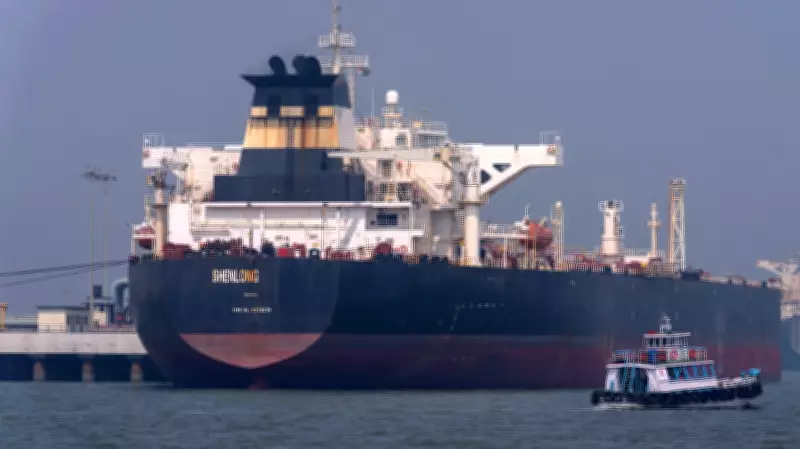
Iran declared on Friday that it had fully reopened the Strait of Hormuz to commercial vessels, a crucial waterway through which approximately 20% of the world's oil is shipped. However, significant questions lingered on Saturday regarding the actual freedom of ships to transit, as Tehran maintained its grip on who could pass through and threatened to close it again if the United States continued its blockade of Iranian ships and ports.
Iran's Announcement and Ongoing Control
Iranian Foreign Minister Abbas Araghchi posted on social media platform X that ships would utilize routes designated by the Islamic Republic in coordination with Iranian authorities. This statement strongly suggested that Iran planned to retain a substantial level of control over the channel, though it remained unclear whether vessels would be required to pay tolls for passage.
Data firm Kpler reported that movement through the strait remained confined to corridors that required explicit approval from Iran, indicating that the reopening was not as unrestricted as initially portrayed. This development came as a 10-day truce between Israel and the Iranian-backed Hezbollah militant group in Lebanon appeared to hold, adding a layer of geopolitical complexity to the situation.

U.S. Response and Diplomatic Stalemate
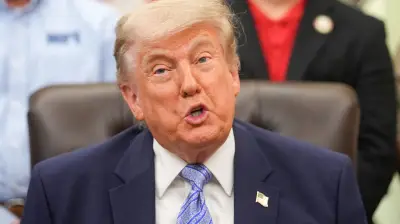
U.S. President Donald Trump responded to Iran's announcement by stating that the American blockade "will remain in full force" until Tehran reaches a comprehensive deal with the United States, which includes addressing its nuclear program. Initially, Trump celebrated the reopening on social media, claiming the strait was "fully open and ready for full passage." However, he quickly followed up with another post, emphasizing that the U.S. Navy's blockade would persist "UNTIL SUCH TIME AS OUR TRANSACTION WITH IRAN IS 100% COMPLETE."
Iranian officials criticized the blockade as a violation of last week's ceasefire agreement between Iran and the U.S. Mohammad Bagher Qalibaf, Iran's parliamentary speaker, warned on X early Saturday that the strait "will not remain open" if the blockade continues. According to U.S. Central Command, American forces have already sent 21 ships back to Iran since the blockade commenced on Monday.
Internal Iranian Divisions and Media Challenges
Within Iran, two semiofficial news agencies, Fars and Mehr, seemed to challenge Foreign Minister Araghchi's announcement about the strait's reopening. Fars, considered close to Iran's powerful Revolutionary Guard, criticized what it described as a lack of clarity over the decision and a "strange silence from the Supreme National Security Council and the negotiating team."
Mehr echoed these concerns, stating that the decision to reopen the strait needed "clarification" and required approval from the supreme leader. This internal discord highlights the uncertain political landscape in Iran, where the Supreme National Security Council has recently acted as the de facto top decision-making body amid doubts over the status of the new supreme leader, Mojtaba Khamenei, who was reportedly wounded early in the war.
Ceasefire in Lebanon and Regional Implications
The ceasefire in Lebanon could potentially clear a major obstacle to an agreement between Iran, the United States, and Israel to end the ongoing war. However, it remains unclear to what extent Hezbollah will abide by a deal it did not negotiate, especially as Israeli troops continue to occupy a stretch of southern Lebanon. Trump stated that Israel is "prohibited" by the U.S. from further strikes on Lebanon, adding that "enough is enough" in the Israel-Hezbollah conflict, though the State Department clarified this applies only to offensive attacks, not self-defense actions.
In Beirut, celebratory gunshots marked the start of the truce, with displaced families beginning to return to southern Lebanon and Beirut's southern suburbs despite official warnings. Sporadic artillery shelling was reported in some parts of southern Lebanon after the ceasefire took effect, including an Israeli strike that killed one person and wounded three, highlighting the fragile nature of the peace.

Mediation Efforts and Key Demands
Mediators are actively seeking compromise on three main points in the Iran war: Iran's nuclear program, the status of the Strait of Hormuz, and compensation for wartime damages. Trump suggested that Iran has agreed to hand over its enriched uranium, referring to it as "nuclear dust," which would represent a significant concession if true. However, neither Iran nor intermediary countries have confirmed such an agreement.
Oil prices fell on Friday amid hopes that the U.S. and Iran were moving closer to a resolution, though the head of the International Energy Agency had previously warned that the energy crisis could worsen if the strait did not reopen. The conflict has resulted in substantial casualties, with at least 3,000 deaths in Iran, over 2,290 in Lebanon, 23 in Israel, and more than a dozen in Gulf Arab states, along with 13 U.S. service members killed.
Ongoing Military and Political Dynamics
Israel's Defense Minister Israel Katz asserted that Israeli troops would remain in their current positions in southern Lebanon, including a buffer zone extending 10 kilometers into the territory, with plans to destroy many homes and prevent Lebanese residents from returning. Hezbollah, in response, has stated that Lebanese people retain "the right to resist" Israeli occupation, with actions to be determined based on future developments.
As diplomatic efforts continue, Trump hinted at the possibility of a second round of talks with Iran over the weekend, expressing optimism that a deal could be reached. The situation remains fluid, with the reopening of the Strait of Hormuz serving as a critical but contentious step in broader regional negotiations aimed at ending the prolonged conflict.