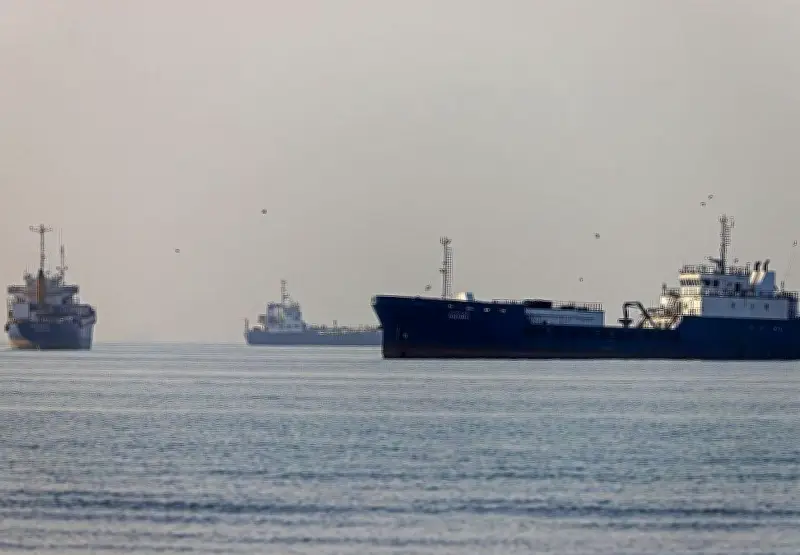
Iran has circulated competing versions of a proposed interim agreement with the United States, even as President Donald Trump maintains his Sunday timeline for signing a deal. At least three different drafts include similar elements, such as reopening the Strait of Hormuz and providing sanctions relief, but diverge on key financial and nuclear provisions, making it difficult to assess which side benefits more.
Key Differences in Drafts
The main discrepancy centers on how much financial relief Iran would receive immediately or in the future, a concern for U.S. hawks who oppose giving away too much. One draft seen by Bloomberg News suggests the U.S. and regional partners would create a reconstruction program for Iran with a minimum of $300 billion if a final deal is reached. The nuclear program would be addressed in later negotiations.
Trump's Birthday Deadline
The White House declined to comment as time runs out for an agreement by Sunday, Trump's 80th birthday. On Sunday, Fox News quoted Trump saying a deal would be signed in two to three hours. However, earlier in the day, prospects dimmed after Israel's military struck Beirut, targeting Hezbollah following rocket fire into northern Israel. Iran vowed a response, but Trump urged Israel to stop attacks, posting: "We are very close to a Deal that will bring peace to the region... Let's not blow it!"

Background of Conflict
The competing drafts add to confusion around ending the conflict that began with U.S. and Israeli missile strikes on Iran on February 28, killing thousands, roiling the Middle East, and spiking oil prices. Trump has repeatedly claimed a deal is near, echoed by Iranian officials and Pakistani mediators, though Iran dislikes signing on Trump's birthday.
Common Elements
All versions include reopening the Strait of Hormuz, sanctions relief for Iran to sell oil, and a timeline for negotiations on Iran's nuclear program. However, the differing financial terms and the timing of nuclear talks remain sticking points.