Iran Pledges Retaliation After U.S.-Israel Coordinated Strikes Kill Supreme Leader
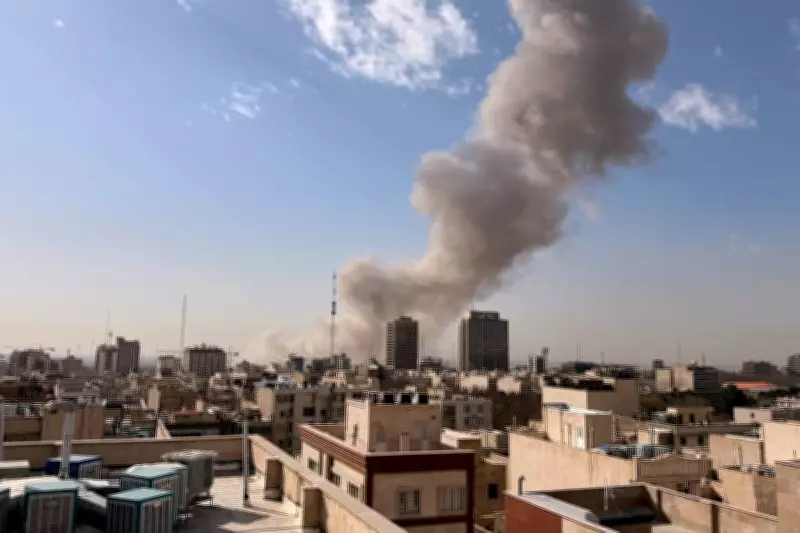
Iran has vowed revenge following the killing of its top leader, Ayatollah Ali Khamenei, in coordinated military strikes by the United States and Israel. The attacks, which reportedly targeted high-ranking military and government officials, have escalated tensions in the Middle East, with Iran and Israel exchanging strikes in a rapidly widening conflict.
Trump Announces Military Action
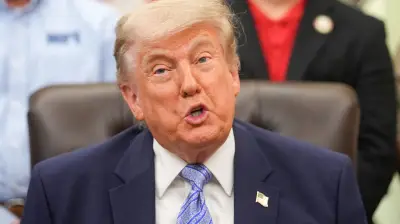
Former U.S. President Donald Trump publicly announced that American and Israeli forces launched joint operations against Iran. The strikes, which occurred in late February 2026, resulted in the death of Khamenei after his 36-year rule. This development has created significant uncertainty about Iran's future leadership and regional stability.
Regional and Global Reactions
The killing has triggered immediate reactions across the globe:

- Protests Erupt: In Pakistan, at least nine people were killed when protesters stormed the U.S. Consulate following news of Khamenei's death.
- Diplomatic Warnings: A U.S. senator cautioned that American officials lack clarity about what will follow Khamenei's demise, highlighting concerns about potential power struggles within Iran.
- International Calls for Calm: World leaders are urging a return to diplomatic talks to prevent further escalation in the region.
Canadian Connections and Broader Impacts
The conflict has reverberated within Canadian communities and international relations:
- Iranian Diaspora Response: Members of Winnipeg's Iranian community expressed mixed reactions, with some stating they had "been waiting for this for a long time" while others in Regina expressed hope for Iran's future.
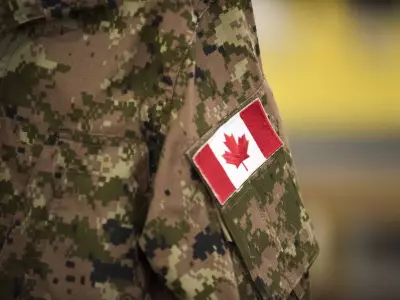
- Political Stances: Canadian Defense Minister Anita Anand voiced support for Qatar and the United Arab Emirates against potential Iranian attacks, aligning with broader Western concerns about regional security.
- Economic Consequences: Oil prices are expected to experience significant volatility as the strikes raise uncertainties about Middle Eastern supply chains.
Security and Humanitarian Concerns
The escalating conflict presents multiple challenges:
- Civilian Safety: The exchange of strikes between Iran and Israel increases risks to civilian populations in conflict zones.
- Refugee and Migration Pressures: Prolonged hostilities could exacerbate existing displacement crises in the region.
- Nuclear Program Uncertainties: Khamenei's death creates questions about the future of Iran's nuclear development and international agreements.
As Iran prepares its response, global observers are monitoring for signs of further military escalation or potential diplomatic openings. The situation remains fluid, with the international community calling for restraint while preparing for various contingency scenarios in this volatile geopolitical landscape.