Iran War Negotiations Poised for Potential Revival in Pakistan
High-stakes talks aimed at ending the ongoing Iran war could resume in Pakistan over the coming two days, according to statements from U.S. President Donald Trump on Tuesday. This development follows the breakdown of weekend negotiations in Islamabad, which prompted Washington to impose a stringent naval blockade on Iranian ports. Officials from Gulf nations, Pakistan, and Iran have echoed the possibility of U.S. and Iranian negotiating teams returning to Pakistan later this week, although a senior Iranian source cautioned that no specific date has been finalized.
Trump's Remarks and Diplomatic Maneuvering
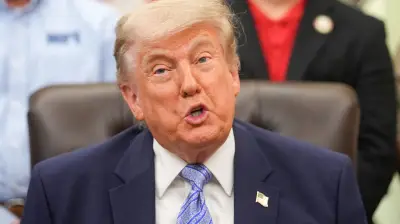
In an interview with the New York Post, President Trump emphasized the urgency of the situation, stating, "You should stay there, really, because something could be happening over the next two days, and we’re more inclined to go there." While the U.S. blockade has provoked sharp criticism from Tehran, labeling it as "piracy," the prospect of continued diplomatic engagement has provided a modicum of stability to volatile oil markets. Benchmark oil prices dipped below $100 per barrel on Tuesday, offering temporary relief amid the geopolitical turmoil.
Strait of Hormuz Closure and Humanitarian Toll
Since the conflict erupted on February 28, Iran has effectively sealed the Strait of Hormuz, a vital global conduit for oil and gas transportation. This strategic move has exacerbated energy security concerns worldwide. The hostilities have resulted in approximately 5,000 fatalities, underscoring the severe human cost of the war. The recent talks in Islamabad failed to produce an agreement, casting doubt on the sustainability of a two-week ceasefire that still has one week remaining.

Nuclear Ambitions and Negotiation Hurdles
A central point of contention in the negotiations revolves around Iran's nuclear program. The United States has proposed a 20-year suspension of all nuclear activities by Iran, while Tehran has countered with a suggestion of a three to five-year halt, according to sources familiar with the proposals. Additionally, the U.S. has insisted on the removal of any enriched nuclear material from Iran. Despite these differences, backchannel discussions since the weekend have reportedly made progress in bridging the gap, bringing both sides closer to a potential deal that could be presented in a new round of talks.
However, the path to a swift nuclear agreement remains fraught with complexity. The legacy of the 2015 nuclear deal, from which Trump withdrew in 2018, looms large, alongside the anticipated need for rigorous monitoring and verification by the International Atomic Energy Agency. Iran's demand for the lifting of international sanctions further complicates matters, as the U.S. would require broader international support to make such a pledge.
Impact of U.S. Blockade and Global Economic Ripples
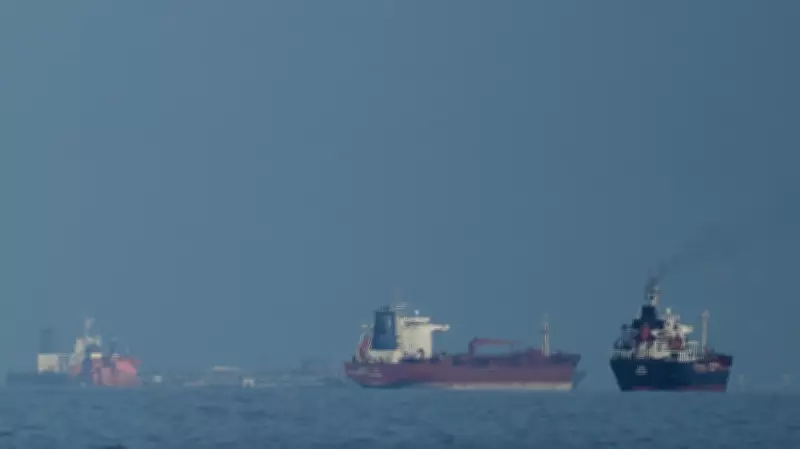
The U.S. Central Command reported that no vessels breached its blockade of Iranian ports in the first 24 hours of implementation, with six merchant ships turning back. More than a dozen U.S. warships are involved in the operation, which specifically targets ships traveling to or from Iran. Interestingly, shipping data indicated that the blockade had minimal effect on traffic through the Strait of Hormuz on Tuesday, with at least eight ships successfully crossing the waterway.
This latest escalation has intensified worries about global energy security and the supply chain for petroleum-dependent goods. The International Monetary Fund has revised its growth outlook downward, warning that the global economy could teeter on the brink of recession if the conflict escalates and oil prices remain above $100 per barrel into 2027. Concurrently, the International Energy Agency has significantly reduced its forecasts for both global oil supply and demand growth.

International Reactions and Allied Stances
U.S. NATO allies, including Britain and France, have declared they will not participate in the blockade to avoid being drawn into the conflict. Instead, they have offered assistance in safeguarding the Strait of Hormuz once a formal agreement is established. China, the primary purchaser of Iranian oil, condemned the U.S. blockade as "dangerous and irresponsible," asserting it would only heighten tensions. U.S. Treasury Secretary Scott Bessent criticized China for stockpiling oil during the war.
Analysts predict that oil prices are likely to stay elevated for weeks even after the strait reopens fully, due to logistical backlogs, damaged infrastructure, and persistent market uncertainty.
Parallel Israel-Lebanon Negotiations
Complicating the peace prospects further, Israel has continued its military campaign against Iran-backed Hezbollah in Lebanon. Israel and the United States maintain that these actions fall outside the ceasefire terms, whereas Iran insists they are included. In a significant diplomatic development, U.S. Secretary of State Marco Rubio facilitated a meeting between Israeli and Lebanese envoys in Washington, marking the first direct negotiations between the two countries since 1983.
Lebanon advocated for a ceasefire to halt Israeli strikes that have claimed over 2,000 lives and displaced 1.2 million people, while Israel pressed for the disarmament of Hezbollah by Beirut. Following the talks, the U.S. State Department announced that both sides agreed to continue discussions. Israel's ambassador to the U.S. expressed optimism that the Lebanese government seeks to diminish Hezbollah's influence, and Lebanon's ambassador described the meeting as "constructive," with details on subsequent talks to be disclosed in due course.
Ceasefire Stability and Domestic Political Pressures
The ceasefire has largely held during its first week, despite heated rhetoric from both Iran and the U.S. Trump previously threatened to destroy Iran's "whole civilisation" unless it reopened the strait, but he paused the U.S.-Israeli bombing campaign last week amid domestic unpopularity of the war and political backlash from rising energy prices. A Reuters/Ipsos poll conducted from April 10 to 12 revealed that 35% of Americans approve of U.S. strikes against Iran, a slight decrease from 37% the prior week.
Trump has boasted that Iran's navy has been "completely obliterated," with only a few "fast-attack ships" remaining, and issued a stark warning on social media: "Warning: If any of these ships come anywhere close to our BLOCKADE, they will be immediately ELIMINATED." As the situation evolves, the international community watches closely, hoping for a diplomatic breakthrough that can restore stability to the region and global markets.