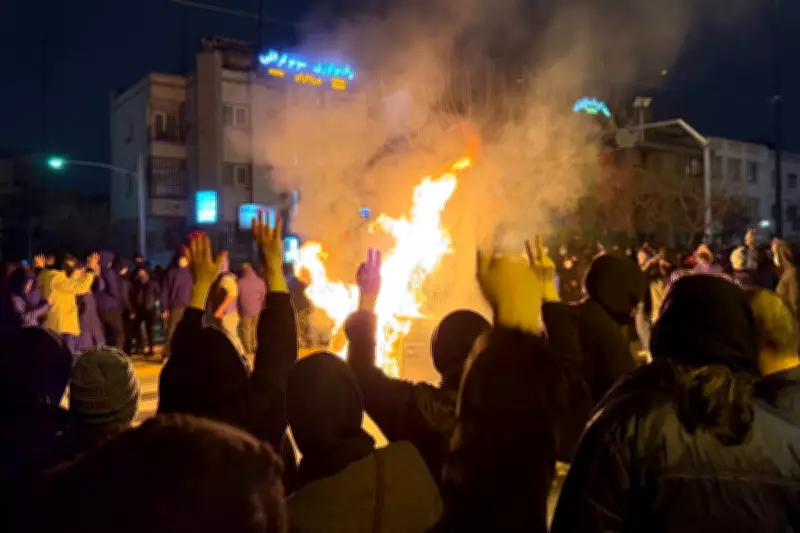
Iranian Students Continue Demonstrations Amid Growing U.S. Pressure
For the third day in a row, Iranian students have staged significant protests across the country, as mounting pressure from the United States intensifies the political climate in Tehran. The demonstrations, which have drawn attention to widespread discontent, coincide with a period of heightened international scrutiny and domestic unrest.
Escalating Tensions and Public Discontent
The protests have emerged against a backdrop of increasing U.S. sanctions and diplomatic maneuvers aimed at the Iranian government. Students, often at the forefront of social movements in Iran, have voiced their frustrations through organized rallies and public gatherings. These actions highlight the ongoing challenges faced by the administration in maintaining stability while navigating external pressures.
Historical context shows that student-led movements have played a pivotal role in Iran's political landscape, with past protests shaping national discourse. The current wave of demonstrations underscores the persistent economic and social issues that continue to fuel public dissent.

International Reactions and Domestic Implications
The United States has ramped up its efforts to influence Iranian policies, leveraging economic and political tools to exert pressure. This external factor has compounded existing internal tensions, leading to a volatile environment where protests can quickly gain momentum. Analysts note that the combination of international pressure and domestic dissatisfaction creates a precarious situation for Iranian authorities.
Observers suggest that the protests may reflect broader societal grievances, including concerns over civil liberties and economic hardships. The government's response to these demonstrations will be closely watched, as it could signal future directions in Iran's domestic and foreign policies.
Potential Outcomes and Future Scenarios
As the protests continue, several potential outcomes are being considered:
- Increased government crackdowns to restore order and suppress dissent.
- Diplomatic escalations between Iran and the U.S., potentially affecting regional stability.
- Greater international attention on human rights issues within Iran.
- Possible reforms or concessions by the Iranian government to address protester demands.
The situation remains fluid, with both domestic and international actors monitoring developments closely. The resilience of the protest movement and the government's handling of it will likely influence Iran's trajectory in the coming months.
In summary, the ongoing student protests in Iran, fueled by escalating U.S. pressure, represent a critical moment in the nation's political dynamics. As tensions mount, the outcomes could have far-reaching implications for Iran's internal stability and its relations with the global community.