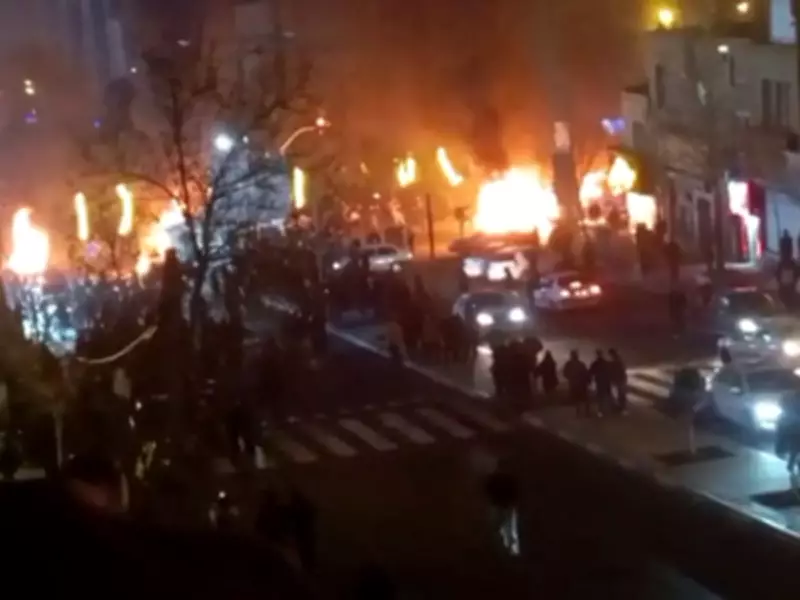
In a bold display of defiance, Iranians gathered at memorial services for protesters killed during recent nationwide demonstrations, chanting slogans against the country's supreme leader and theocratic government. Videos verified by AFP show these emotional gatherings occurring across Iran, highlighting ongoing tensions despite a violent crackdown that authorities say left over 3,000 dead, though rights groups claim the actual death toll reaches many thousands more.
Memorial Gatherings Turn Into Anti-Government Protests
On Tuesday, crowds assembled to commemorate those killed during the peak of protests on January 8 and 9, marking the 40th day since their deaths in accordance with Shiite mourning traditions. What began as solemn remembrances quickly transformed into political demonstrations, with participants shouting "death to Khamenei" in reference to Supreme Leader Ayatollah Ali Khamenei and expressing support for the ousted monarchy with cries of "long live the shah."
Geolocated Videos Reveal Widespread Dissent
AFP-verified videos from multiple cities provide evidence of the widespread nature of these protests. In Abadan, located in western Iran, crowds held flowers and commemorative photos of a young victim while chanting against the government that has ruled since the 1979 Islamic Revolution. Another disturbing video from the same city captured people running in panic from what sounded like gunshots, though it remained unclear whether these were live rounds or other disturbances.

In the northeastern city of Mashhad, protesters chanted "One person killed, thousands have his back," demonstrating solidarity with those who lost their lives during the government crackdown. Additional gatherings were reported in other parts of the country through videos shared by human rights organizations.
Official Ceremonies Contrast With Public Memorials
While these public memorials unfolded, Iranian authorities staged their own official commemoration in Tehran's capital. At the government-organized event held at the Imam Khomeini Grand Mosalla mosque, crowds carried Iranian flags and portraits of the deceased while nationalist songs played in the background. Chants of "Death to America" and "Death to Israel" echoed through the mosque, reflecting the government's narrative that blames foreign powers for the unrest.
Government Officials Attend Official Memorial
Senior officials including First Vice President Mohammad Reza Aref and Revolutionary Guards commander Esmail Qaani attended the ceremony, with President Masoud Pezeshkian participating in a similar event at the Imam Reza shrine in Mashhad. Qaani used the occasion to issue warnings, stating through the Tasnim news agency that "Those who supported rioters and terrorists are criminals and will face the consequences."
The government has consistently accused the United States and Israel of fueling what they describe as "foreign-instigated riots," claiming that peaceful protests were hijacked by external forces who promoted violence and vandalism.
Background of the Protests and Crackdown
The nationwide demonstrations initially erupted over economic grievances and anger about the rising cost of living before evolving into broader anti-government movements. After security forces implemented a violent crackdown, the protests largely subsided from public spaces, though Iranians have continued expressing dissent through nighttime chants from homes and rooftops in recent days.
Disputed Death Toll Figures
While Iranian officials acknowledge more than 3,000 deaths during the unrest, attributing the violence to "terrorist acts," international human rights organizations present a dramatically different picture. These groups assert that security forces killed many thousands more protesters, with some estimates approaching 6,000 fatalities. International organizations have documented evidence suggesting Iranian security forces targeted demonstrators with live ammunition while implementing internet blackouts to obscure their actions.

The memorial gatherings represent a significant challenge to Iran's leadership, demonstrating that despite the brutal suppression of protests, public discontent remains palpable and continues to find expression through cultural and religious traditions. As the government promotes its narrative of foreign interference, ordinary Iranians use memorial ceremonies to voice their opposition to the current political system and its leadership.