Iran's New Supreme Leader: Mojtaba Khamenei Reportedly Elected After Father's Death
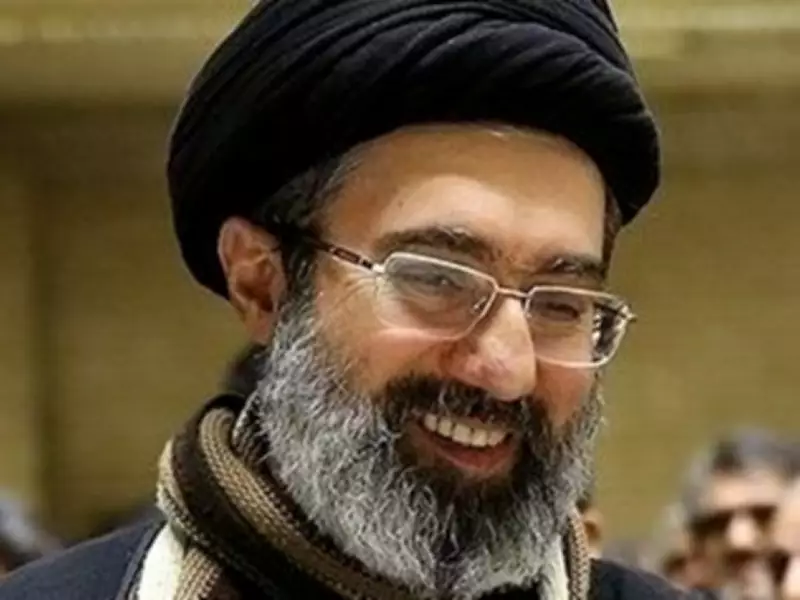
In a significant development following the death of Iran's longtime Supreme Leader Ayatollah Ali Khamenei, the country's Assembly of Experts has reportedly elected his second-oldest son, Mojtaba Khamenei, as the new Supreme Leader. This transition comes just days after the elder Khamenei was killed during military strikes by the United States and Israel that targeted the Iranian regime's leadership.
Succession in the Wake of Military Strikes
The 86-year-old Ayatollah Ali Khamenei's body was discovered in the rubble of his secret compound on Sunday, following coordinated attacks on Saturday that reportedly eliminated approximately forty members of Iran's leadership structure. The timing of these events has created a power vacuum that the regime is now attempting to fill through established succession mechanisms.
According to reports from Iran International, the Assembly of Experts—Iran's constitutional body responsible for selecting and supervising the Supreme Leader—has elected 56-year-old Mojtaba Khamenei to assume his father's position. This decision reportedly followed intense deliberation among the clerical establishment about the implications of naming a successor during ongoing regional conflicts.

Mojtaba Khamenei's Background and Connections
Mojtaba Khamenei has long been viewed within Iranian political circles as a potential successor to his father. He reportedly served during the Iran-Iraq War in the late 1980s and has maintained close ties with the Iranian Revolutionary Guards, who have endorsed his leadership. Some observers describe him as having functioned as a "mini-Supreme Leader" within his father's administration, gaining experience in managing the regime's affairs.
The New York Times reported that some members of the clerical establishment expressed concerns about formally naming Mojtaba as Supreme Leader, fearing it might make him a target for elimination. These concerns proved prescient when the Assembly of Experts' planned meeting in the holy city of Qom was reportedly disrupted by Israeli airstrikes that destroyed the proposed venue.
Personal Life and Leadership Qualifications
Mojtaba Khamenei married Zahra Haddad-Adel in 2004, with their first child born in 2007. According to intelligence documents cited by The Daily Mail, he underwent medical treatment for impotency at several United Kingdom hospitals, with his final visit lasting two months and resulting in the birth of a son named Ali after his grandfather.
Despite his political connections and experience, some reports suggest Mojtaba faces limitations in religious qualifications. Intelligence assessments indicate he is not expected to achieve the scholarly status of "mujtahid" or ayatollah through his own religious studies, and he reportedly recognizes these limitations himself.
Broader Context and Alternative Successors
Interestingly, Ayatollah Ali Khamenei had reportedly opposed hereditary leadership and had secretly identified three potential successors before his death, none of whom were his son. These included Gholam-Hossein Mohseni-Eje'i (head of the judiciary), Ali Asghar Hejazi (his chief of staff), and Hassan Khomeini (grandson of Iran's first Supreme Leader).
The leadership transition occurs as the Iranian Revolutionary Guards are reportedly pressuring the regime to retaliate against the United States and Israel for the recent strikes. Mojtaba Khamenei, described as a hardliner, now faces the challenge of navigating these tensions while establishing his authority in a regime that has lost much of its senior leadership.
This development marks a critical moment in Iran's political landscape, with the son of the late Supreme Leader now reportedly positioned to lead the country's theocratic system during a period of significant regional instability and internal transition.