Iran's Supreme Leader Ayatollah Ali Khamenei Passes Away at 86
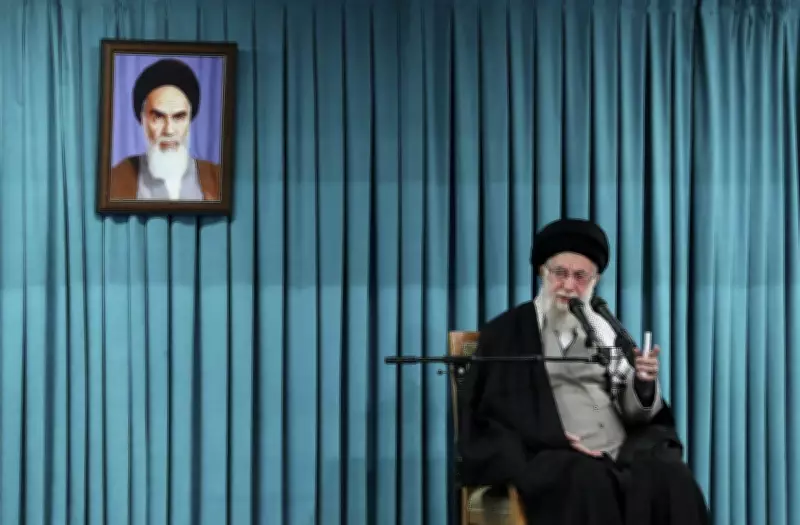
Ayatollah Ali Khamenei, the Supreme Leader of Iran who has guided the Islamic Republic since 1989, has died at the age of 86, according to official reports from Iranian state media. His passing, confirmed on February 28, 2026, concludes a lengthy and influential tenure that shaped Iran's domestic and foreign policies for over three decades.
A Long Reign Comes to an End
Khamenei assumed the role of Supreme Leader following the death of the republic's founder, Ayatollah Ruhollah Khomeini, in 1989. As the highest authority in Iran's political and religious hierarchy, he wielded significant power over the nation's military, judiciary, and media. His leadership spanned critical periods, including the Iran-Iraq war's aftermath, nuclear negotiations, and recent regional tensions.
State media announced the news without immediately disclosing the cause of death, though Khamenei was known to have faced health issues in recent years. The announcement has triggered a wave of reactions both within Iran and internationally, as the country prepares for a transition of power.

Implications for Iran and Beyond
The death of Ayatollah Khamenei raises immediate questions about succession and stability in Iran. Under the country's constitution, an assembly of experts is tasked with selecting a new Supreme Leader, a process that could influence Iran's future direction on issues such as nuclear policy, economic reforms, and relations with the West.
Domestically, his passing may lead to heightened political maneuvering among conservative and moderate factions. Internationally, global powers are closely monitoring the situation, given Iran's role in Middle Eastern geopolitics and ongoing conflicts. The timing coincides with other global events, but the focus remains squarely on Tehran's next steps.
Reactions from the Iranian Diaspora
In cities across North America, including Winnipeg and Regina, members of the Iranian community have expressed mixed emotions. Some have taken to the streets in response, reflecting the deep divisions and hopes for change that Khamenei's rule inspired. These gatherings underscore the broader impact of his death on Iranians worldwide, many of whom have long awaited a shift in leadership.
As Iran enters a period of mourning and uncertainty, the world watches to see how the Islamic Republic will navigate this pivotal moment. Khamenei's legacy, marked by both staunch support and fierce opposition, will undoubtedly be debated for years to come.