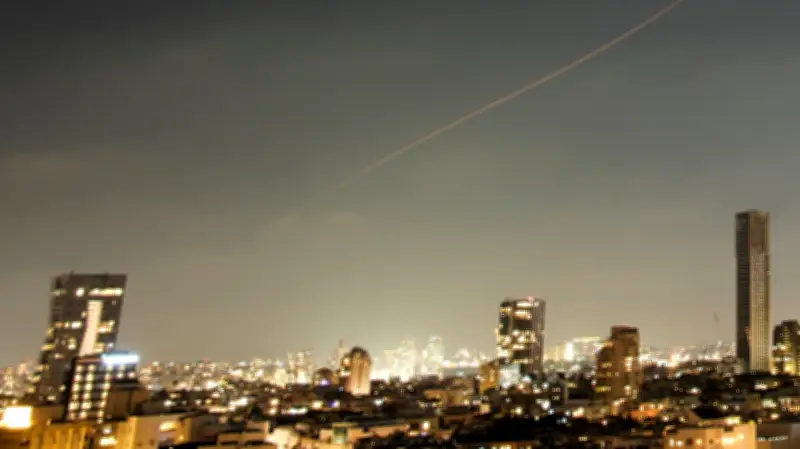
Israel launched airstrikes early Monday targeting central and western Iran in response to missile fire, escalating tensions in the region and straining efforts to maintain a fragile ceasefire.
Details of the Attack
Iranian state television reported the sound of explosions being heard in Isfahan, Tabriz, and Tehran, without immediately elaborating on the extent of the damage or casualties. The attacks mark a significant escalation in the ongoing conflict between the two nations.
Impact on Civilian Infrastructure
Iran closed the airspace around Tehran’s Imam Khomeini International Airport, the country’s main airfield, after the Israeli attack. This move disrupted travel and raised concerns about further retaliation.

Strained Ceasefire Efforts
The attacks further strain efforts to reach a permanent ceasefire in the war between Iran and the United States. Earlier, Iran launched missiles at Israel in the first such bombardment since a fragile ceasefire took effect in early April. The exchange raised the possibility of a return to heavy fighting and complicating mediation efforts to end the war.
International Reactions
International leaders have called for restraint, urging both sides to return to diplomatic channels. The United Nations has scheduled an emergency session to discuss the escalating violence.
As the situation develops, the world watches closely, hoping for a de-escalation that can prevent a broader regional conflict. The coming days will be critical in determining the path forward.