Israeli Supreme Court Upholds Aid Operations in Gaza Despite Escalating Violence
In a significant legal decision, Israel's Supreme Court has ruled to permit humanitarian aid groups to maintain their critical work within the Gaza Strip. This ruling comes at a time of heightened tension, as recent Israeli military strikes in the area have reportedly led to the deaths of four individuals, underscoring the ongoing and severe conflict dynamics.
Court's Decision Supports Humanitarian Efforts
The court's judgment effectively allows various international and local aid organizations to continue their operations, which are essential for providing food, medical supplies, and other forms of assistance to the civilian population in Gaza. This decision is seen as a crucial step in addressing the dire humanitarian needs that have been exacerbated by the prolonged conflict between Israel and Hamas.
Legal experts note that this ruling could set a precedent for how humanitarian access is managed in conflict zones, balancing security concerns with the imperative to alleviate human suffering. The court emphasized the importance of adhering to international humanitarian law, which mandates the protection of civilians and the facilitation of aid during hostilities.

Ongoing Military Actions Result in Casualties
Concurrently, Israeli airstrikes have been reported in Gaza, resulting in the tragic loss of four lives. These strikes are part of a broader military campaign that Israel has been conducting in response to threats and attacks from Hamas, the militant group that controls the Gaza Strip.
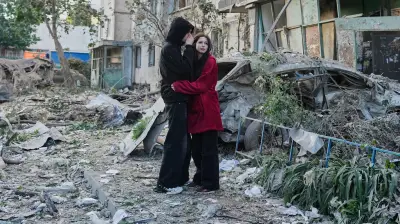
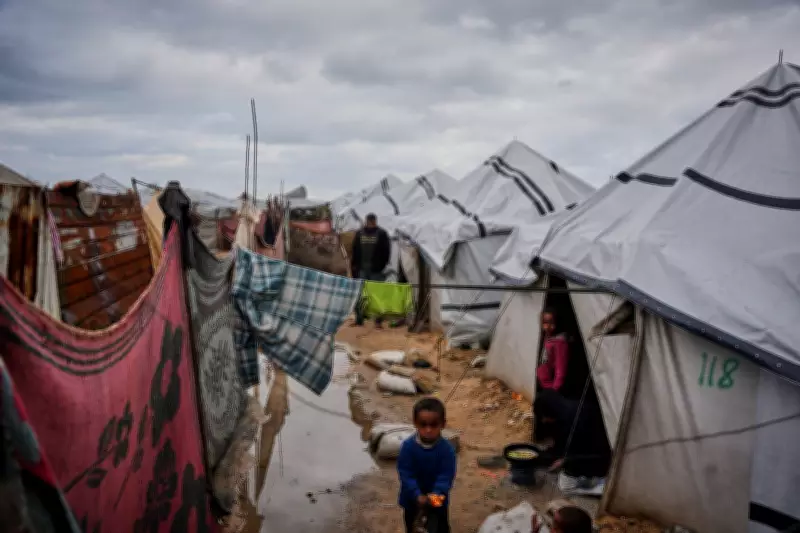
The timing of these events highlights the complex and often contradictory nature of the situation, where legal efforts to support humanitarian aid are juxtaposed with military actions that continue to claim lives. Local sources describe a scene of devastation, with infrastructure damage and civilian displacement adding to the challenges faced by aid workers.
Humanitarian Challenges in a Volatile Environment
Operating in such a volatile environment presents immense challenges for aid groups. They must navigate:
- Security risks from ongoing military operations
- Logistical hurdles due to damaged infrastructure
- Political pressures from various stakeholders
- The urgent need to scale up assistance to meet growing demands
Despite these obstacles, the court's ruling provides a legal foundation for their continued presence and efforts. Aid organizations have expressed relief at the decision, stating that it will enable them to better serve vulnerable populations, including children, the elderly, and those with medical conditions.
Broader Implications for the Region
This development occurs within the larger context of the Israel-Hamas war, which has seen periodic escalations and ceasefires. The court's intervention in humanitarian matters may influence future policies and international responses to the conflict. Observers are watching closely to see how this ruling impacts the delivery of aid and whether it leads to any de-escalation in violence.
As the situation evolves, the interplay between legal rulings, military actions, and humanitarian needs will continue to shape the realities on the ground in Gaza. The international community remains deeply concerned about the humanitarian crisis and calls for sustained efforts to protect civilians and promote peace.