Federal Judge Orders Immediate Halt to Trump's White House Ballroom Project
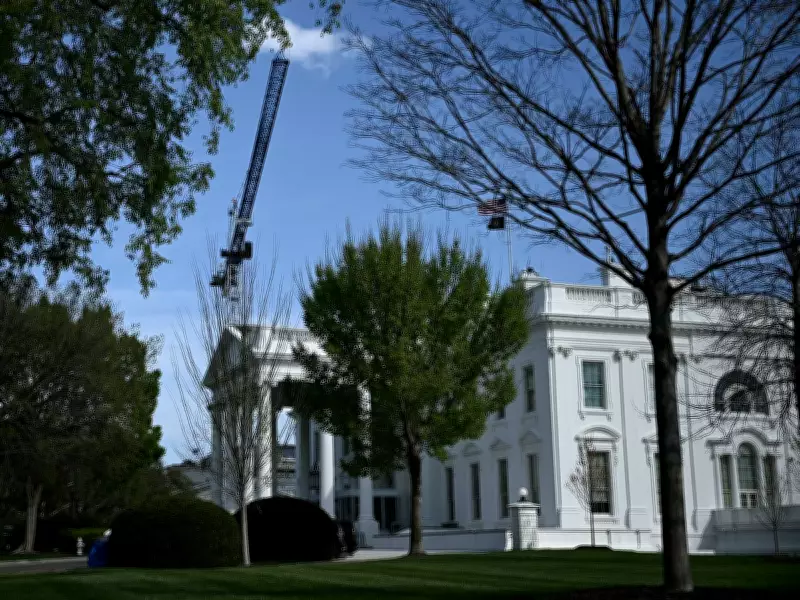
In a significant legal ruling, a U.S. judge has ordered construction to cease on President Donald Trump's ambitious ballroom project at the White House. The decision comes after Trump's controversial demolition of the historic East Wing last October to make way for what he described as a new large-scale events center.
Judge Leon's Scathing Opinion on Presidential Authority
Judge Richard Leon delivered a forceful opinion stating that while Trump serves as "steward" of the White House, "he is not, however, the owner!" The judge emphasized that congressional approval would be necessary for such a substantial construction project on federal property.
The ruling responded directly to a legal challenge from the National Trust for Historic Preservation in the United States, a nonprofit organization dedicated to protecting historic buildings. Trump had previously attacked the group on social media, labeling them "a Radical Left Group of Lunatics."

Trump's Passion Project Faces Legal Roadblock
The billionaire real estate developer turned president has made no secret of his enthusiasm for the ballroom initiative. Since announcing the project, the 79-year-old Republican has frequently diverted from other topics during speeches to elaborate on architectural details of the proposed facility.
Trump has insisted the ballroom would be "the finest Building of its kind anywhere in the World" and represents his most significant impact on Washington since returning to office in January 2025. His previous alterations to the presidential residence include:
- Applying gold decorations throughout the Oval Office
- Paving over the Rose Garden
- Adding his name to the Kennedy Arts Center
Funding Questions and Congressional Authority
The project's cost has escalated dramatically from an initial estimate of $200 million to potentially $400 million. Trump claims private donors, including wealthy supporters and corporations, are covering expenses.
However, Judge Leon's opinion firmly stated that Congress must decide both the project's authorization and funding mechanism. "No statute comes close to giving the president the authority he claims to have," Leon wrote in his decision.
The judge offered a two-week delay before the order takes effect to allow for potential appeals. He noted that "Congress may even choose to appropriate funds for the ballroom" through proper legislative channels.
Historic Preservation Concerns
The National Trust's legal challenge highlighted concerns about preserving the White House's historical integrity. The abrupt demolition of the East Wing last October shocked many preservationists and raised questions about executive authority over federal property.
Judge Leon's ruling reinforces congressional oversight over national property and government spending. "Congress will thereby retain its authority over the nation's property and its oversight over the Government's spending," he concluded in his written opinion.
The decision represents a significant check on presidential power regarding federal property alterations and sets a precedent for future administrations considering substantial changes to historic government buildings.