Judge Rejects Legal Challenge to Trump's White House Ballroom Project
A federal judge has denied a request for an injunction to halt construction of a $400 million ballroom project at the White House, allowing the controversial renovation to proceed. The decision, issued on February 26, 2026, represents a significant legal victory for the Trump administration's ambitious architectural plans.
Construction Continues Unabated
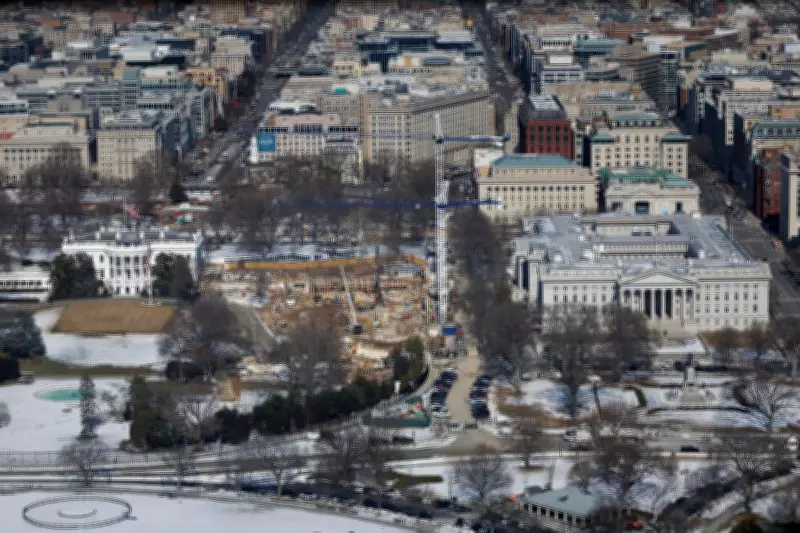
Work on the massive ballroom complex, which replaces the historic East Wing, has been ongoing since early February. Photographic evidence from February 13, 2026, shows substantial progress at the construction site in Washington, D.C., with structural elements already taking shape where the East Wing once stood.
The judge's ruling emphasized that plaintiffs failed to demonstrate sufficient legal grounds to justify stopping the project, which has drawn both praise and criticism from architectural historians, political observers, and preservationists. Legal experts note this decision doesn't preclude future challenges but does remove an immediate obstacle to construction.

Financial and Political Implications
The $400 million price tag makes this one of the most expensive White House renovations in history. Funding sources have been a subject of debate, with administration officials defending the expenditure as necessary for modernizing presidential entertainment facilities.
Opponents argue the project represents excessive spending during a period of economic uncertainty, while supporters contend it will enhance the White House's capacity for diplomatic and ceremonial events. The ballroom is designed to accommodate significantly larger gatherings than previous White House entertainment spaces.
Historical Context and Controversy
The decision to replace the East Wing with a ballroom has sparked particular controversy among preservationists. The East Wing, originally constructed during the Roosevelt administration, has housed First Family offices and served various functions throughout its history.
Key aspects of the controversy include:
- The architectural significance of the original East Wing structure
- Questions about the approval process for such a substantial alteration to the White House complex
- Concerns about the project's timing and budgetary priorities
- Debates about the appropriate scale of presidential entertainment facilities
With the legal injunction denied, construction crews are expected to accelerate work on the project. Administration officials have indicated they hope to complete major structural elements before the end of 2026, though the full project timeline extends into 2027.
The ruling comes amid numerous other legal and political developments, but represents a clear signal that courts are currently unwilling to intervene in what the judge characterized as "executive branch decisions regarding White House facilities."