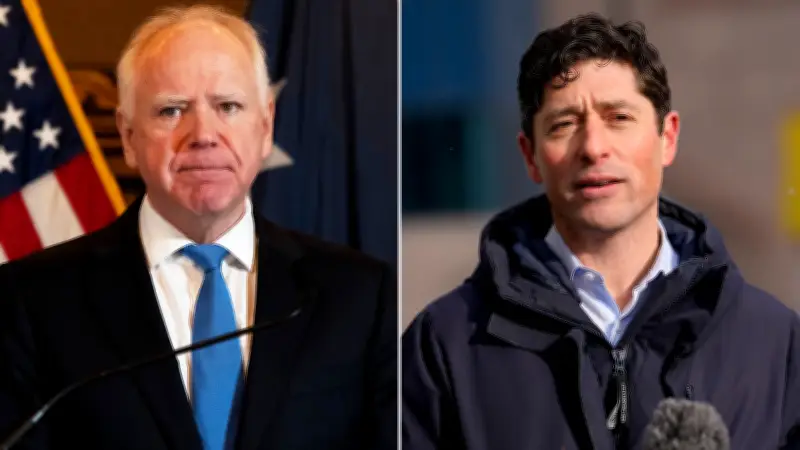
A U.S. federal judge has declared that subpoenas issued by the Department of Justice under former President Donald Trump targeting Minnesota Governor Tim Walz and other Democratic officials were unconstitutional. The ruling, delivered on June 22, 2026, represents a major legal rebuke of the Trump administration’s use of prosecutorial power against political opponents.
Background of the Subpoenas
The subpoenas were part of a broader investigation by the Trump DOJ into alleged misuse of federal funds by Democratic governors and mayors during the COVID-19 pandemic. Governor Walz and Minneapolis Mayor Jacob Frey were among those targeted. The judge found that the subpoenas lacked a legitimate legislative or law enforcement purpose and were instead intended to intimidate political adversaries.
Legal Reasoning
In her opinion, the judge wrote that the subpoenas violated the constitutional separation of powers and the First Amendment rights of the officials. She noted that the DOJ had failed to demonstrate a clear connection between the requested documents and any valid federal interest. The ruling also criticized the overbreadth of the subpoenas, which sought a wide range of communications and financial records.

Impact and Reactions
The decision is seen as a victory for Democratic officials who have argued that the Trump administration weaponized the Justice Department for political gain. Governor Walz said in a statement, "This ruling confirms what we knew all along: these subpoenas were an abuse of power. We are grateful the court upheld the rule of law." Legal experts say the ruling could set a precedent for challenging similar subpoenas issued by the DOJ in politically charged cases.
The Trump campaign has indicated it will appeal the decision, calling it "a partisan attack by an activist judge." The case is likely to become a flashpoint in the ongoing debate over executive overreach and the independence of the Justice Department.