Republican Senator John Kennedy from Louisiana issued a public apology on Wednesday for what he described as a probable United States bombing of an Iranian girls school, an attack that resulted in the tragic deaths of 175 individuals. The incident occurred at the Shajarah Tayyebeh school in Minab during the early stages of the conflict, sparking immediate controversy and international scrutiny.
Kennedy's Candid Admission and Apology
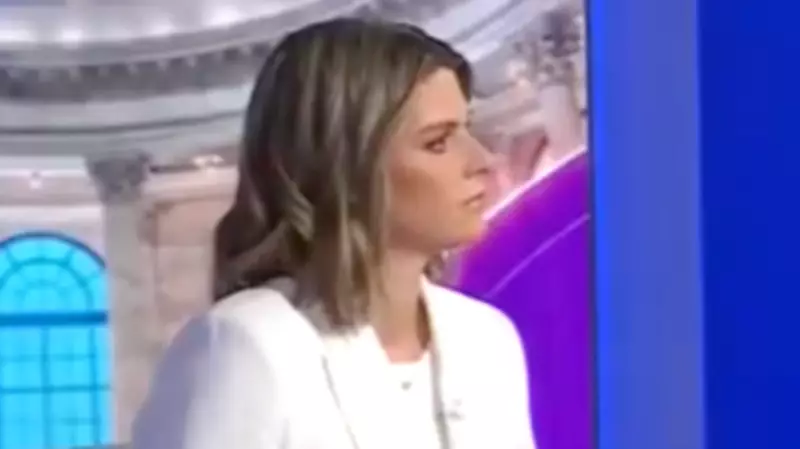
During an interview on CNN's "The Arena" with host Kasie Hunt, Senator Kennedy was questioned about his decision to apologize and acknowledge that the bombing was likely a U.S. error. Kennedy responded with a straightforward and emotional statement, emphasizing his commitment to truth and accountability.
"I think it's the truth," Kennedy asserted. "We're investigating, but I'm not gonna hide behind that. I think that it was a terrible, terrible mistake. The investigation may prove me wrong, I hope so. The kids are still dead. But I think it was a horrible, horrible mistake."

He further elaborated on his sentiments, expressing deep regret over the incident. "I wish it hadn't happened," Kennedy continued. "I'm sorry it happened. I can assure you it wasn't intentional. That's the sort of thing Russia does. We don't do that. You know, I don't see any other possible explanation. And when you make a mistake, you ought to admit it. Most people understand no one's perfect, but I don't think our men and women who are fighting for us did it intentionally. I'll never believe that."
Conflicting Narratives and Media Reports
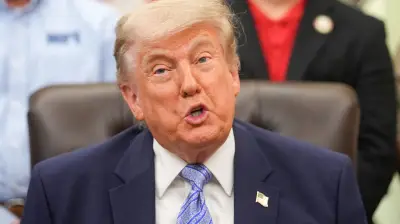
The apology comes amid conflicting accounts of the bombing. Initially, President Donald Trump blamed Iran for the attack on the school, which is located adjacent to a naval base operated by the Islamic Revolutionary Guard Corps. However, Trump later suggested that Iran "or somebody else" might be responsible, noting that the Tomahawk missile reportedly used in the strike is "very generic," leaving room for doubt.
In contrast, multiple media outlets have pointed toward U.S. involvement. Reports from The New York Times and The Washington Post, along with a Reuters story citing unnamed U.S. military investigators, indicate that evidence points to the United States as the perpetrator of the bombing.
Expert Analysis and Security Insights
Adding to the complexity, Fox News national security correspondent Jennifer Griffin provided critical analysis, stating that "there's no evidence that the Iranians fired anything at the school." Griffin further emphasized that President Trump "knows" the U.S. was behind the attack, highlighting a potential disconnect between public statements and internal knowledge within the administration.
This incident underscores the challenges of wartime accountability and transparency, as investigations continue to unfold. The tragic loss of life at the Shajarah Tayyebeh school has ignited debates over military protocols, international relations, and the moral responsibilities of nations in conflict zones.