Supreme Leader's Passing Elevates Khomeini's Grandson as Regional Tensions Surge
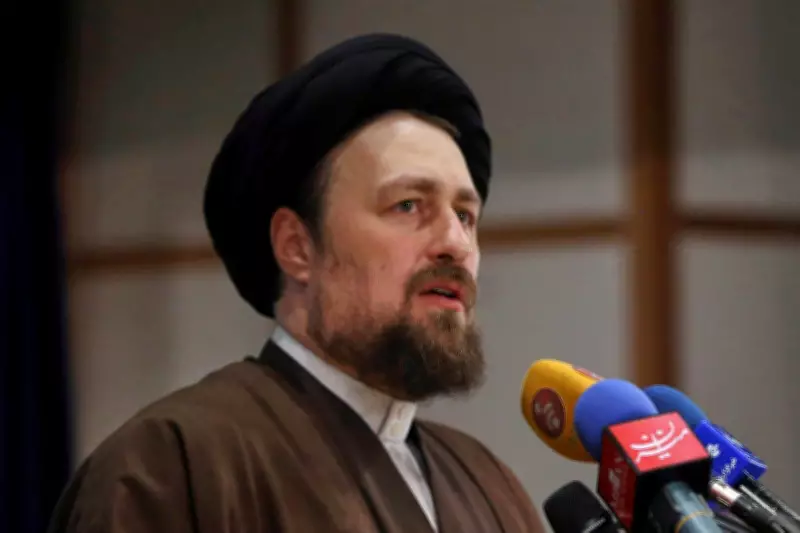
The geopolitical landscape of the Middle East has been dramatically reshaped following the death of Iran's Supreme Leader, Ayatollah Ali Khamenei. This pivotal event has thrust Hassan Khomeini, the grandson of the Islamic Republic's founder Ayatollah Ruhollah Khomeini, into the spotlight as a potential successor, amid escalating hostilities across the region.
Escalating Conflict on Multiple Fronts
In the wake of Khamenei's passing, Iran-backed militant groups have launched retaliatory strikes, significantly widening the scope of the conflict. Hezbollah has intensified its attacks on Israel, while Arab states and U.S. military bases have become targets, signaling a dangerous expansion of the warfare. Analysts warn that the situation is becoming increasingly volatile, with no clear exit strategy for involved parties like the United States.
David Fraser, a regional security expert, emphasized the gravity of the situation: "Hezbollah striking Israel indicates how widening this conflict is getting. We are witnessing a multi-front engagement that could spiral further out of control."

Uncertain Future for Iran's Leadership
The question of succession looms large over Iran. Hassan Khomeini, who has maintained a relatively low public profile compared to other political figures, is now a central figure in discussions about the country's future direction. His lineage provides a direct connection to the revolutionary ideals of his grandfather, but his exact political leanings and support within the powerful clerical establishment remain subjects of intense speculation.
"Everything can happen," noted a Tehran-based political analyst, speaking on condition of anonymity. "The power vacuum created by Khamenei's death opens numerous possibilities for Iran's political trajectory. While Hassan Khomeini is a symbolic figure, the real struggle for influence is just beginning."
International Reactions and Nuclear Concerns
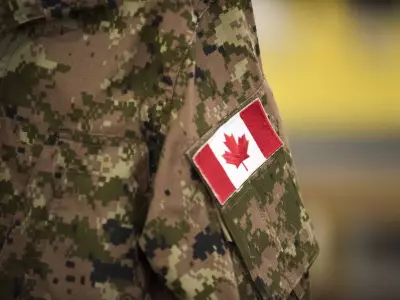
The international community is closely monitoring the developments. Canada has called for a diplomatic solution to the escalating crisis, while carefully avoiding explicit condemnation of the military strikes. Meanwhile, concerns about Iran's nuclear ambitions persist. Pete Hegseth, a defense commentator, starkly warned: "Iran had a conventional gun to our head with its regional proxies; their nuclear program represents an existential threat that cannot be ignored."
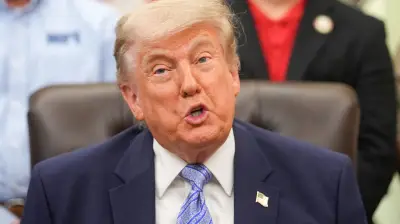
Former U.S. President Donald Trump added to the rhetoric, telling CNN that "the 'big wave' is yet to come in the war with Iran," suggesting further escalation might be imminent.
Regional and Global Implications
The conflict's expansion has already triggered significant consequences:
- Energy markets have experienced volatility, with prices surging due to tanker disruptions and facility shutdowns.
- Cybersecurity incidents have targeted Iranian apps and websites following U.S.-Israeli strikes.
- Diaspora communities, including Iranian-Canadians, have held rallies calling for democratic reforms, with some activists reporting intimidation tactics.
As Israel and Hezbollah exchange strikes amid escalating tension, the death of Ayatollah Khamenei marks not just the end of an era but potentially the beginning of a new, more dangerous chapter in Middle Eastern politics. The focus on Hassan Khomeini as a symbolic heir adds another layer of complexity to an already fraught situation, where miscalculation could lead to broader regional war.