The death toll in Lebanon has reached 3,000 in the ongoing fighting between Israel and Hezbollah, according to officials. The conflict, which has intensified in recent months, has led to widespread displacement and a humanitarian crisis in southern Lebanon.
Displacement and Humanitarian Impact
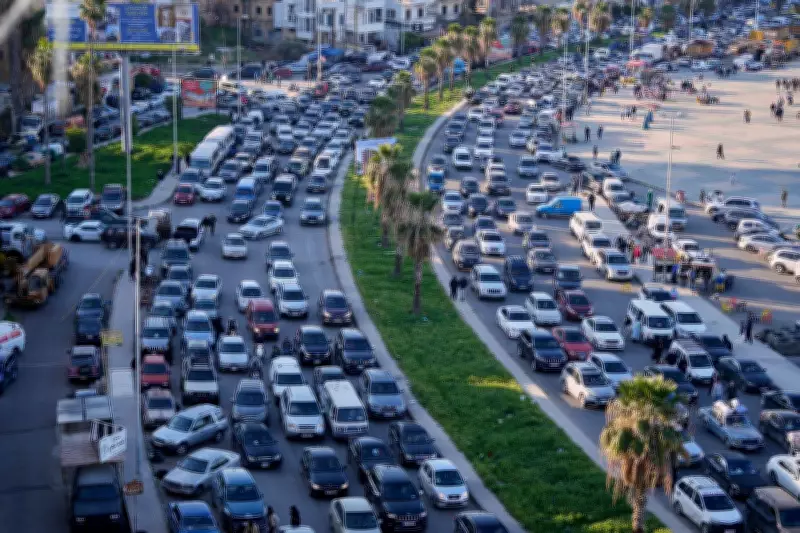
Thousands of people have been forced to flee their homes as airstrikes and shelling continue to target villages and towns in southern Lebanon. Many are heading toward Beirut, causing severe traffic congestion and straining resources in the capital. The United Nations has called for an immediate ceasefire to allow humanitarian aid to reach affected populations.
International Response
International mediators have been working to broker a truce, but negotiations have stalled. The United States has urged restraint on both sides, while regional powers have expressed concern over the escalating violence. The conflict has also raised fears of a broader regional war.

Medical facilities in Lebanon are overwhelmed, with reports of shortages of supplies and personnel. The World Health Organization has warned that the health system is on the brink of collapse.
The fighting began after Hezbollah launched rockets into northern Israel, prompting a large-scale military response. Israeli officials say they are targeting Hezbollah infrastructure, but the high civilian death toll has drawn international criticism.
As the conflict continues, the Lebanese government has appealed for international assistance to cope with the growing number of casualties and displaced persons.