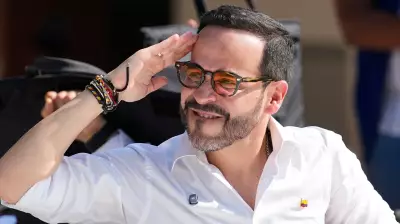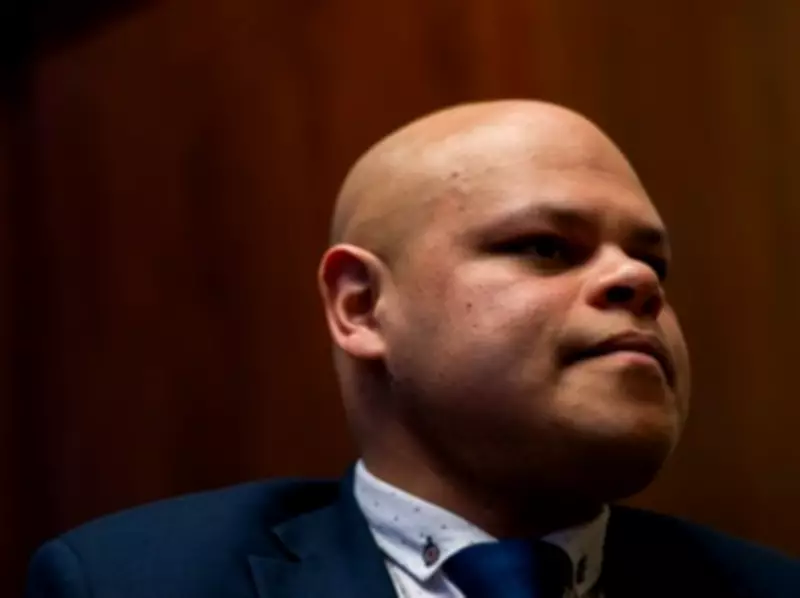
In a contentious political development, Conservative MP Jamil Jivani has become the target of intense criticism from Liberal officials following his recent trip to Washington, aimed at aiding Canada in trade negotiations with the Trump administration. The controversy highlights deep divisions over diplomatic strategies and national interests.
Background of the Conflict
Jamil Jivani, representing Bowmanville-Oshawa North, initiated efforts last fall to leverage his personal friendship with American Vice President J.D. Vance to revive stalled trade talks between Ottawa and Washington. The two met during law school orientation fifteen years ago, bonding over shared working-class backgrounds and unfamiliarity with elite institutions like Yale Law School. Jivani described their friendship as formative, built on mutual experiences in a new cultural environment.
Despite his offers to assist privately, the Liberal government, led by Prime Minister Mark Carney, ignored Jivani's outreach. When he went public with his proposal, backed by Conservative leader Pierre Poilievre, the response remained dismissive. Jivani emphasized the urgency of the situation, noting that substantive conversations between the Canadian and U.S. governments had ceased since late October, risking job losses in his community.

Liberal Reactions and Accusations
The Liberal response escalated from skepticism to outright hostility. Initially, they questioned Jivani's qualifications for diplomatic involvement. Subsequently, he was labeled a Nazi sympathizer by Liberal MP John-Paul Danko, who compared him to Unity Mitford, a 1930s British socialite associated with Adolf Hitler. Adding to the personal attacks, Liberal strategist David Herle commented on a popular podcast that Jivani lacked the physical attractiveness deemed necessary for political success.
Prime Minister Carney publicly smirked and laughed at Jivani's trip, dismissing it as a mere publicity stunt. Industry Minister Melanie Joly falsely claimed that Jivani was absent from assisting GM workers in Oshawa during his Washington visit. These reactions have sparked debate over whether the Liberals are prioritizing partisan politics over national economic interests.
Jivani's Washington Engagements
During his trip, Jivani met with key U.S. figures, including Vice President Vance, with whom he dined and toured the Oval Office, briefly conversing with President Donald Trump. He also held discussions with U.S. Secretary of State Marco Rubio and Trade Representative Jamieson Greer, Trump's point person on Canadian trade. Jivani argued that his actions were driven by a duty to his constituents, stating, "If you have a Member of Parliament who has a direct line to the White House, should that Member of Parliament sit back and watch his own community lose jobs?"
Controversy Over Public Statements
Further fueling the conflict, Jivani's remarks on an American radio show have been misconstrued by Liberals. On Breitbart News, he emphasized the need for Canada to end its "anti-America ... hissy fit," highlighting that three-quarters of Canadian exports depend on the U.S. market. Liberals have twisted this into an accusation of disloyalty, claiming he attacked Canada through foreign media.
Jivani defended his words, asserting they were meant to advocate for pragmatic cooperation rather than division. He pointed out that a significant portion of the Canadian political class exhibits anti-American sentiments, such as calls to cancel defense contracts for F-35 aircraft due to dislike for Trump, and perceptions of China as a more reliable partner despite its human rights record.
Broader Implications for National Unity
The episode raises questions about unity in Canadian politics. While leaders recently joined hands at a vigil in Tumbler Ridge, B.C., symbolizing solidarity, Jivani's offer of assistance on critical economic matters was rejected. Critics argue that Carney's government has placed party interests above country, whereas Jivani's actions exemplify putting nation first. This contrast may influence voter perceptions in future elections, as economic stability remains a top concern.

In summary, Jamil Jivani's Washington trip has ignited a fierce political battle, underscoring tensions over diplomatic approaches and the role of personal relationships in governance. As trade talks with the U.S. continue to stall, the debate over whether to embrace or reject cross-party cooperation persists, with potential long-term consequences for Canada's economic and political landscape.