Liberals Gather for First Major Policy Convention Without Trudeau
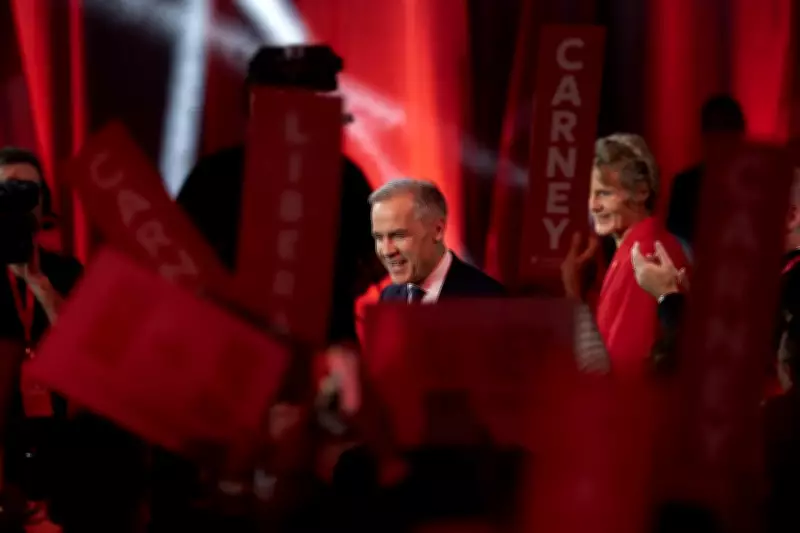
The Liberal Party of Canada has convened its first major policy convention without former leader Justin Trudeau at the helm, signaling a pivotal moment of transition for the political organization. This gathering represents a significant shift as the party navigates its future direction under new leadership, following Trudeau's departure after a lengthy tenure that defined the Liberals for nearly a decade.
A New Era Under Mark Carney
Liberal Leader Mark Carney, who assumed the role after winning the leadership in March 2025, is now steering the party through this critical convention. Carney, a former governor of the Bank of Canada and Bank of England, brings a distinct economic and policy-focused approach to the leadership, contrasting with Trudeau's more charismatic and socially-driven style. The convention serves as a platform for Carney to consolidate his vision and rally supporters around fresh policy initiatives.
The absence of Trudeau is particularly notable, as he had been the face of the party since 2013, leading it through three federal elections and implementing key policies such as carbon pricing and childcare agreements. His departure marks the end of an era, and this convention is the first large-scale opportunity for Liberals to define their identity post-Trudeau, without his direct influence on the proceedings.

Policy Priorities and Party Unity
Delegates at the convention are expected to debate and shape policy resolutions on a range of issues, including economic strategy, climate change, healthcare, and social programs. The discussions aim to set a cohesive agenda that can appeal to voters ahead of future elections, while also addressing internal party dynamics. With Carney at the forefront, there is an emphasis on fiscal responsibility and innovation, potentially moving the party toward a more centrist or business-friendly stance.
Party unity is a key focus, as the Liberals seek to overcome any divisions that may have emerged during the leadership transition. The convention provides a forum for members to voice concerns, build consensus, and strengthen grassroots engagement, ensuring the party remains competitive in the evolving political landscape. This is crucial as they face challenges from opponents like the Conservatives, who have been capitalizing on public discontent in some regions.
Broader Political Context
This convention occurs against a backdrop of significant political developments across Canada. For instance, other news highlights include provincial issues such as Alberta's premier addressing key concerns in Calgary, and Saskatchewan's preparations for the 2026 fire season. These regional matters underscore the diverse challenges facing the country, which the federal Liberals must consider in their policy formulations.
Moreover, the convention's timing aligns with ongoing debates on national issues like economic indicators, healthcare policies, and environmental regulations. By focusing on substantive policy discussions, the Liberals aim to demonstrate their readiness to govern and address pressing public concerns, distinguishing themselves from mere political rhetoric.
In summary, the Liberal Party's first major policy convention without Justin Trudeau is a landmark event that highlights a new chapter in Canadian politics. Under Mark Carney's leadership, the party is poised to redefine its priorities and strategies, with this gathering serving as a critical step in shaping its future trajectory and maintaining relevance in a competitive political arena.